

Why Are Carbohydrates Essential for Endurance Performance?
Imagine your body is a high-performance race car. To finish a long-distance race like a marathon or a multi-hour bike ride, you need the right kind of fuel. In the world of sports science, that fuel is carbohydrates.
The Body’s Premium Fuel
Carbohydrates are simple compounds found in foods like pasta and rice. Think of them as high-octane gasoline; they are your body’s favorite and most efficient source of energy, especially when you start moving (¹).
Filling Your "Internal Fuel Tank"
When consuming carbohydrates, your body breaks them down into a sugar called glucose. Whatever you don’t use immediately gets stored in your muscles and liver as glycogen.
During a long training session, your muscles tap into this glycogen "tank" first because it’s the easiest fuel to burn. However, this tank is limited. As your stores run low, your ability to maintain your speed and power drops. This leads to the infamous feeling of "hitting the wall," where your body feels like it has completely run out of gas (¹)(²).
Your Brain's Primary Fuel
It's not just your muscles that need fuel. Your brain does too. When blood glucose drops during prolonged effort, coordination and decision-making start to suffer. This is why a steady carb intake mid-effort isn't just about your legs; it keeps you mentally sharp when the race demands it most. fail (³). Consuming energy gels or sports drinks during an event; provides a steady "drip" of energy to keep the brain and muscles in sync (³)(⁴).
Why Carbs Beat Fat and Protein
Your body is a "hybrid" engine that can also burn fat and protein, but they aren't as efficient for racing.
Carbs vs. Fat:
While fat is a great source of energy for sitting or walking, it burns slowly. Carbohydrates burn much faster and require less oxygen to produce energy, which is why they are the preferred choice when you are breathing hard and trying to maintain a fast pace (⁵)(⁶).
Carbs vs. Protein:
Protein’s main job is to build and repair your "engine" (your muscles). If you don't eat enough carbs, your body gets desperate and starts breaking down its own muscle tissue for fuel (⁷). By eating enough carbohydrates, you "spare" your muscles from being used as firewood (⁷)(⁸).
Topping Off the Tank
To prepare for a big event lasting longer than 90 minutes, athletes often use a strategy called carbohydrate loading. This involves eating extra carbs in the days leading up to a race to make sure their glycogen "fuel tank" is filled to the absolute brim (⁹). For everyday training, however, a consistent, balanced intake of carbs is usually all you need to stay ready (²).
Summary
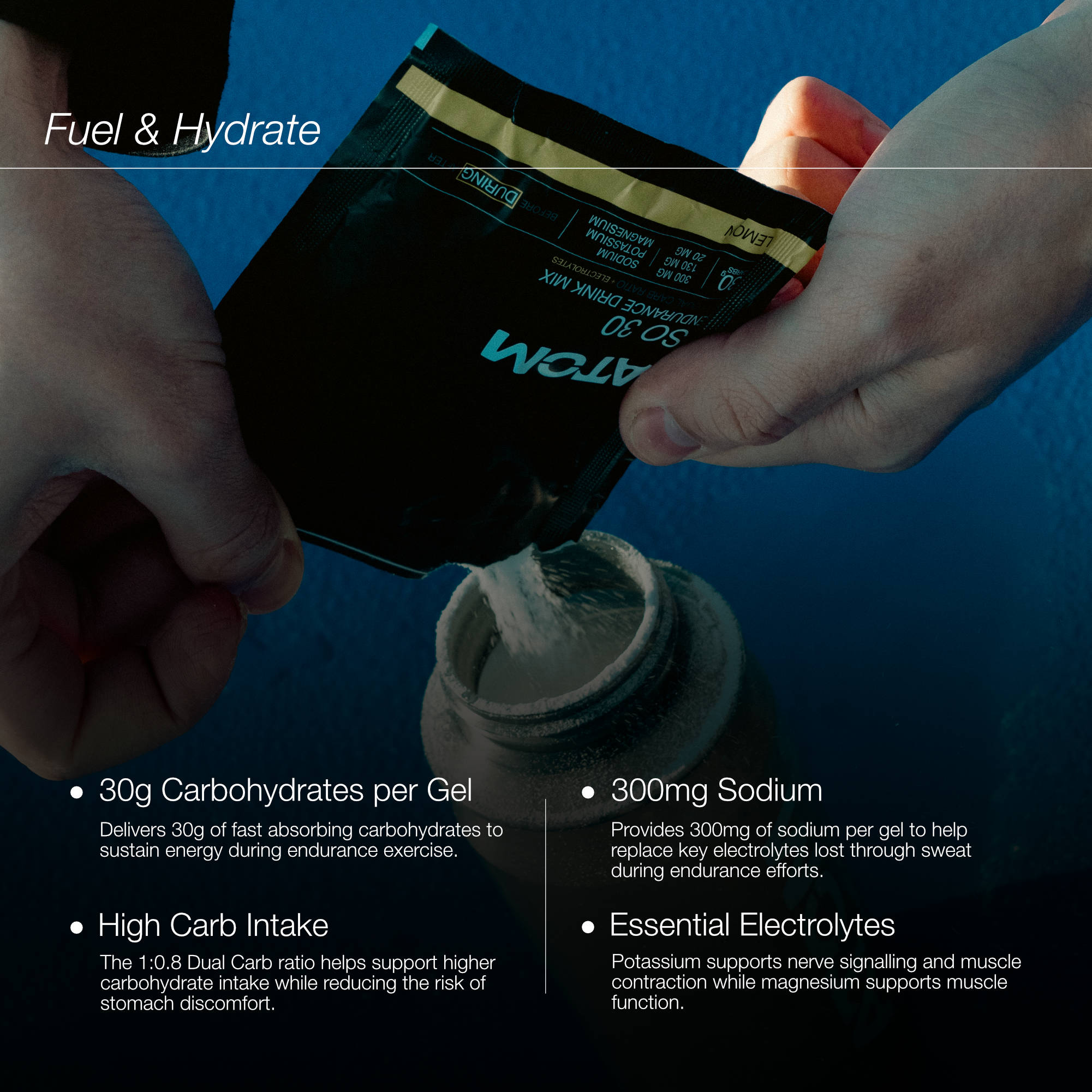
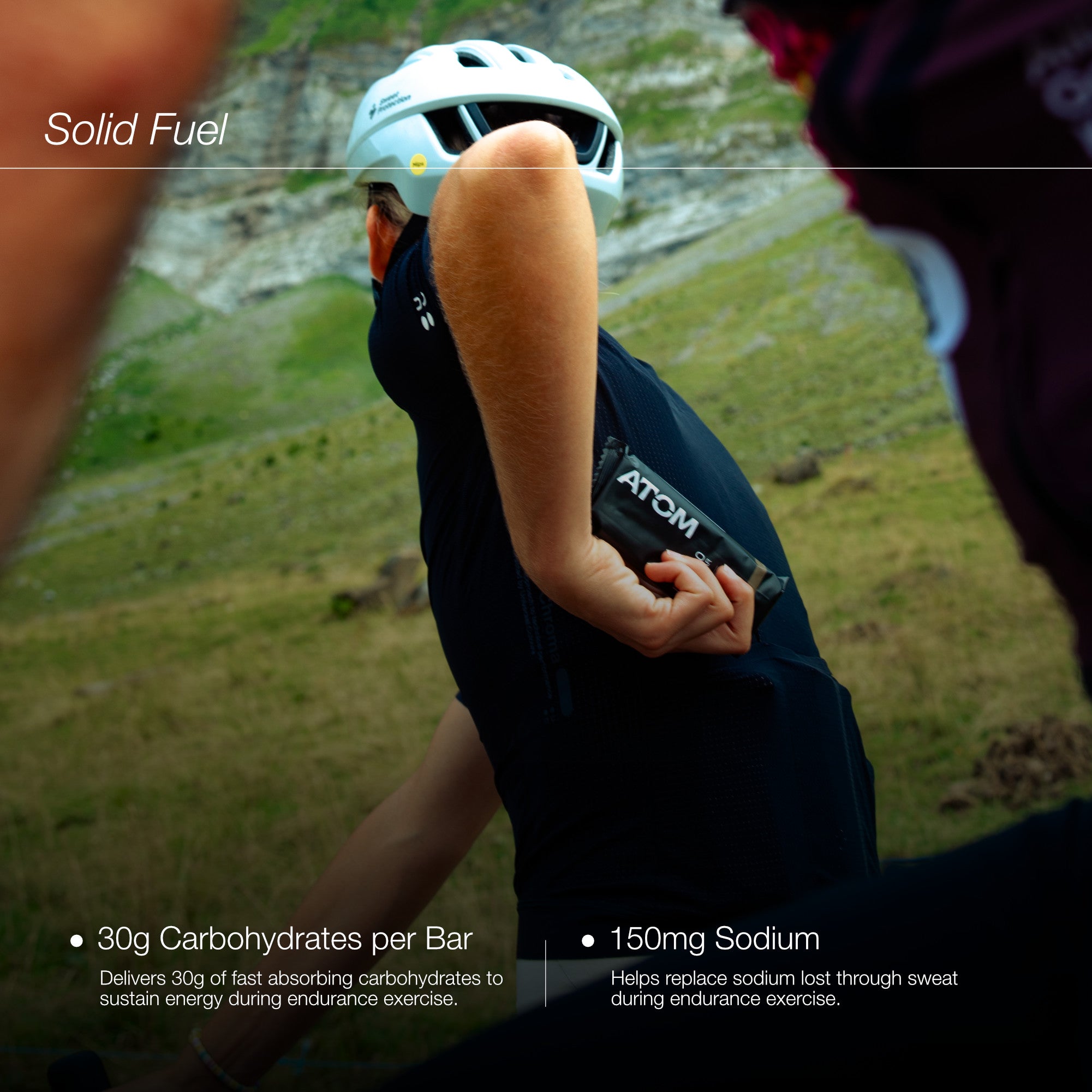
In short, carbohydrates are the foundation of endurance because they provide the fastest energy, keep your mind sharp, and protect your muscles from being broken down. Whether it's through a plate of pasta or a quick energy gel, they are what keep you moving toward the finish line.
References
(¹) Burke, L. M., Hawley, J. A., Wong, S. H. S., & Jeukendrup, A. E. (2011). Carbohydrates for training and competition. Journal of Sports Sciences, 29(sup1), S17-S27. https://doi.org/10.1080/02640414.2011.585473
(²) Thomas, D. T., Erdman, K. A., & Burke, L. M. (2016). Position of the Academy of Nutrition and Dietetics, Dietitians of Canada, and the American College of Sports Medicine: Nutrition and athletic performance. Journal of the Academy of Nutrition and Dietetics, 116(3), 501-528. https://doi.org/10.1016/j.jand.2015.12.006
(³) Cermak, N. M., & van Loon, L. J. C. (2013). The use of carbohydrates during exercise as an ergogenic aid. Sports Medicine, 43(11), 1139-1155. https://doi.org/10.1007/s40279-013-0079-0
(⁴) Jeukendrup, A. E. (2017). Training the gut for athletes. Sports Medicine, 47(Suppl 1), 101-110. https://doi.org/10.1007/s40279-017-0690-6
(⁵) Spriet, L. L. (2014). New insights into the interaction of carbohydrate and fat metabolism during exercise. Sports Medicine, 44(S1), 87-96. https://doi.org/10.1007/s40279-014-0154-1
(⁶) Hawley, J. A., Schabort, E. J., Noakes, T. D., & Dennis, S. C. (1997). Carbohydrate-loading and exercise performance. Sports Medicine, 24(2), 73-81. https://doi.org/10.2165/00007256-199724020-00002
(⁷) Phillips, S. M., & Van Loon, L. J. C. (2011). Dietary protein for athletes: From requirements to optimum adaptation. Journal of Sports Sciences, 29(sup1), S29-S38. https://doi.org/10.1080/02640414.2011.619204
(⁸) Ivy, J. L., & Portman, R. J. (2004). Nutrient timing: The future of sports nutrition. Basic Health Publications. https://www.worldcat.org/title/54824692
(⁹) Sherman, W. M. (1991). Carbohydrate loading: Practice and theory. Journal of the American Dietetic Association, 91(9), 1076-1081. https://pubmed.ncbi.nlm.nih.gov/1879721/



Related Products