
Why Is Sports Nutrition Fundamental in Endurance Activities?
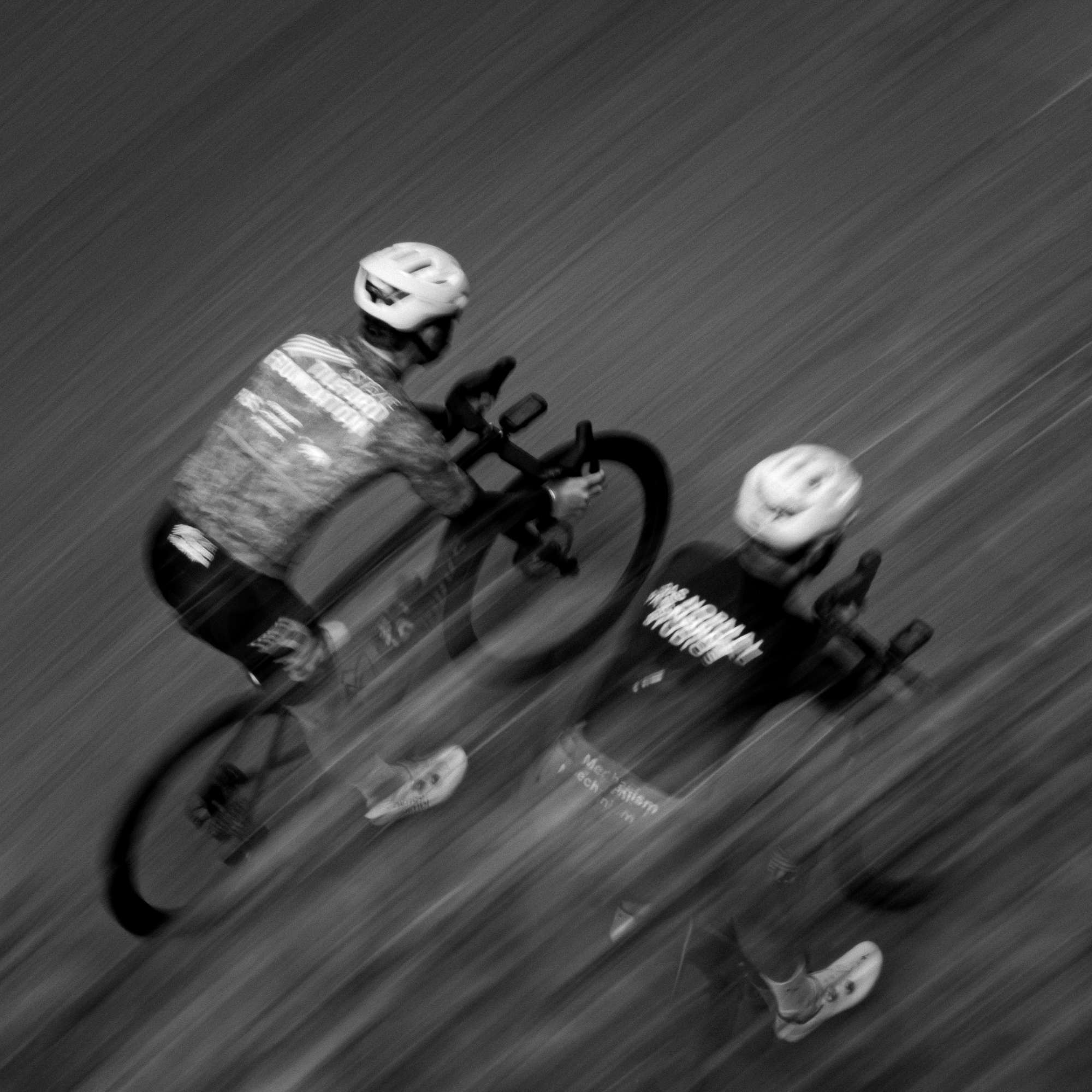
Endurance activities such as marathon running, triathlons, and long-distance cycling are among the most demanding pursuits for the human body. These sports require athletes to maintain energy, focus, and muscular function over extended periods. Sports nutrition plays a central role in supporting these efforts. Without a thoughtful nutritional strategy, even highly trained athletes may face early fatigue, impaired performance, or increased risk of injury.
At ATOM, we are fully committed to making top-of-the-range sports nutrition accessible to all. Through easy-to-understand fueling solutions, ranging from our digital fuel plan, easy-to-understand packaging, and the integration of educational material in our communication channels. Ultimately, we want to help those everyday athletes fuel better and unlock their full potential in their sport.
What Is Sports Nutrition?
Sports nutrition is a specific plan for eating and drinking designed to improve training, racing, and recovery. It focuses on getting the right nutrients at the right time to boost performance and protect your long-term health (¹).
Pre-Exercise Nutrition: Building Your Stores
Before you start, your body relies on glycogen (stored energy in the muscles) to power your movement. Research shows that filling these "fuel tanks" before a workout is vital; when they run dry, your performance drops (²). Staying hydrated is also important for keeping your heart and cooling systems working properly during a long effort (³)(⁵).
Nutrition During Exercise: Staying Fueled
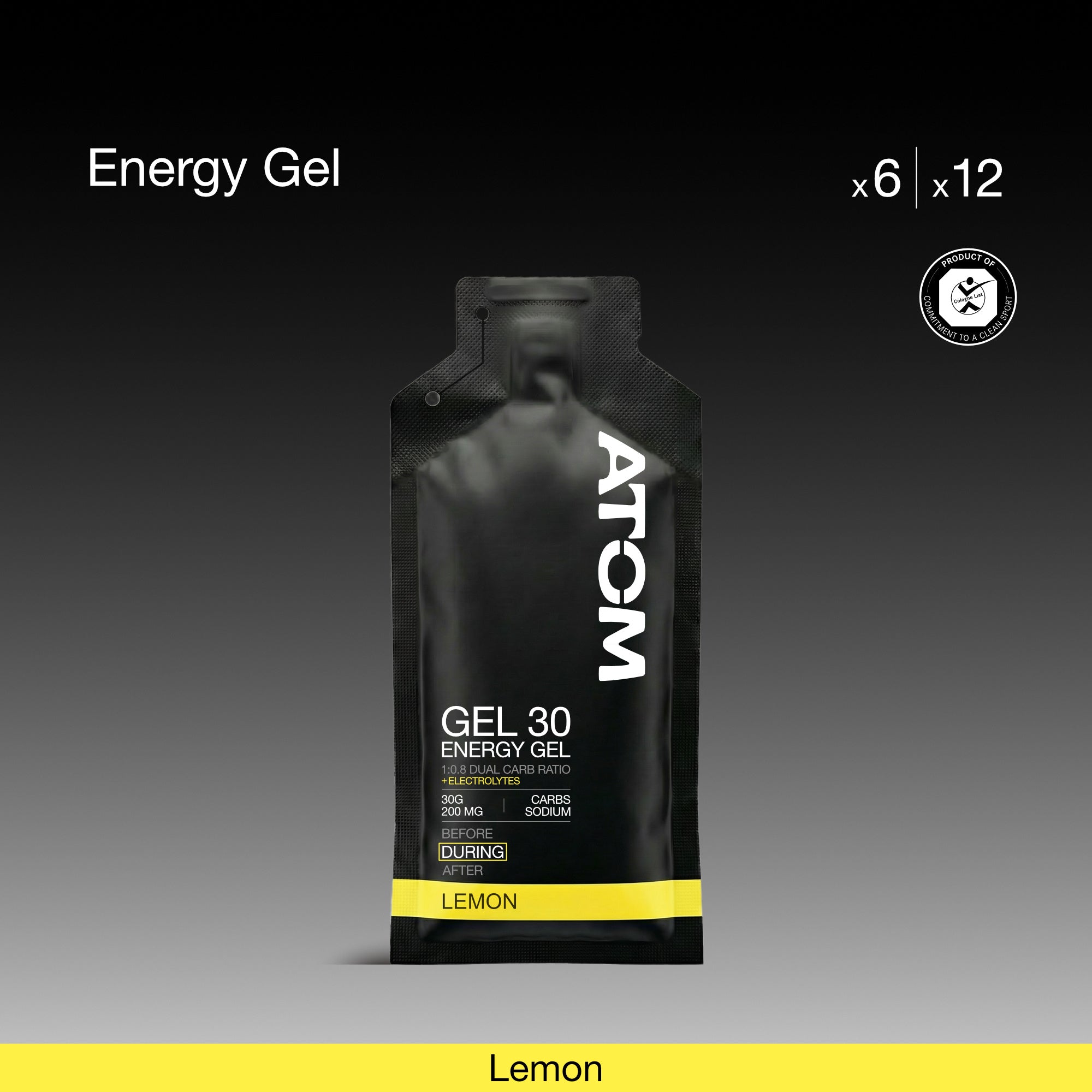
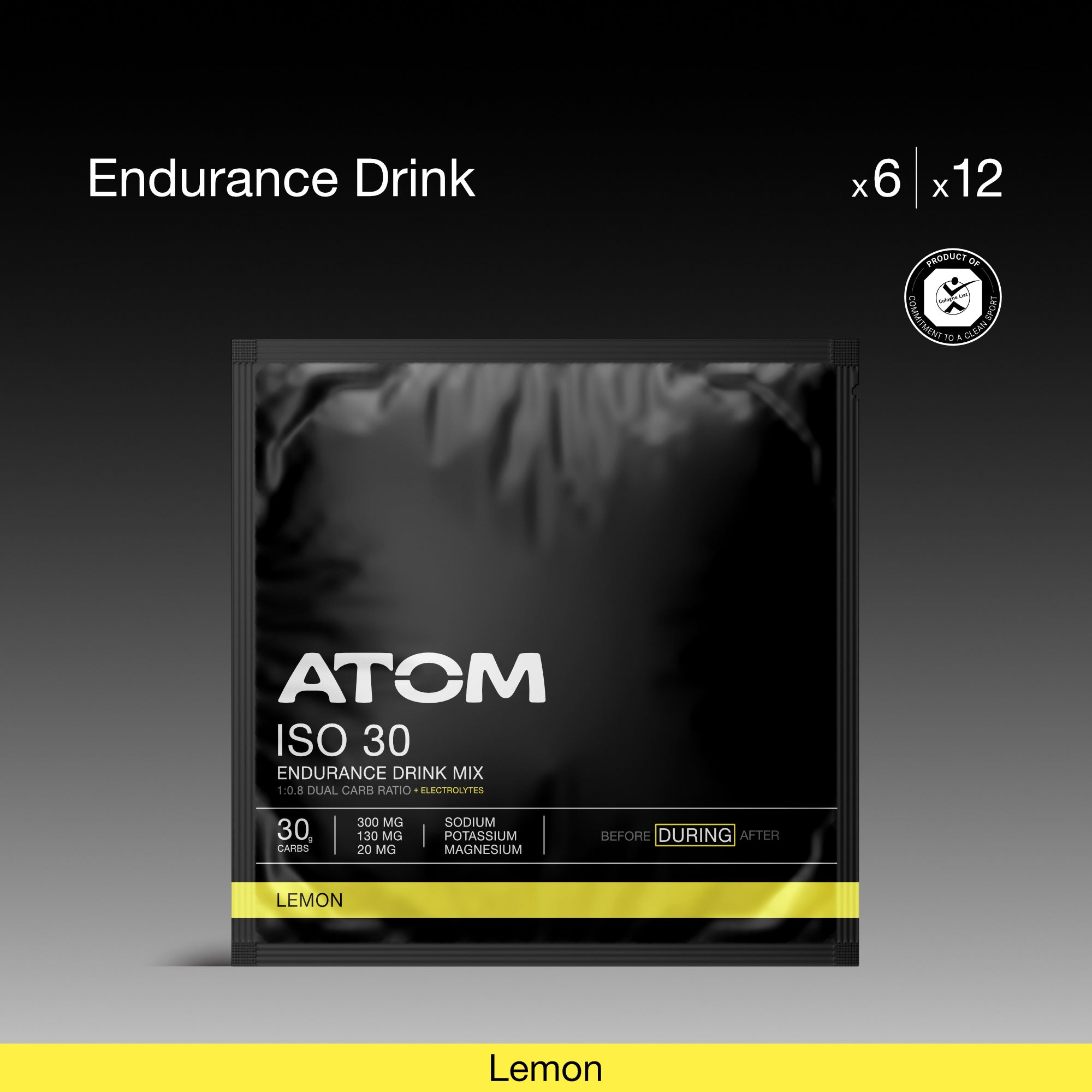
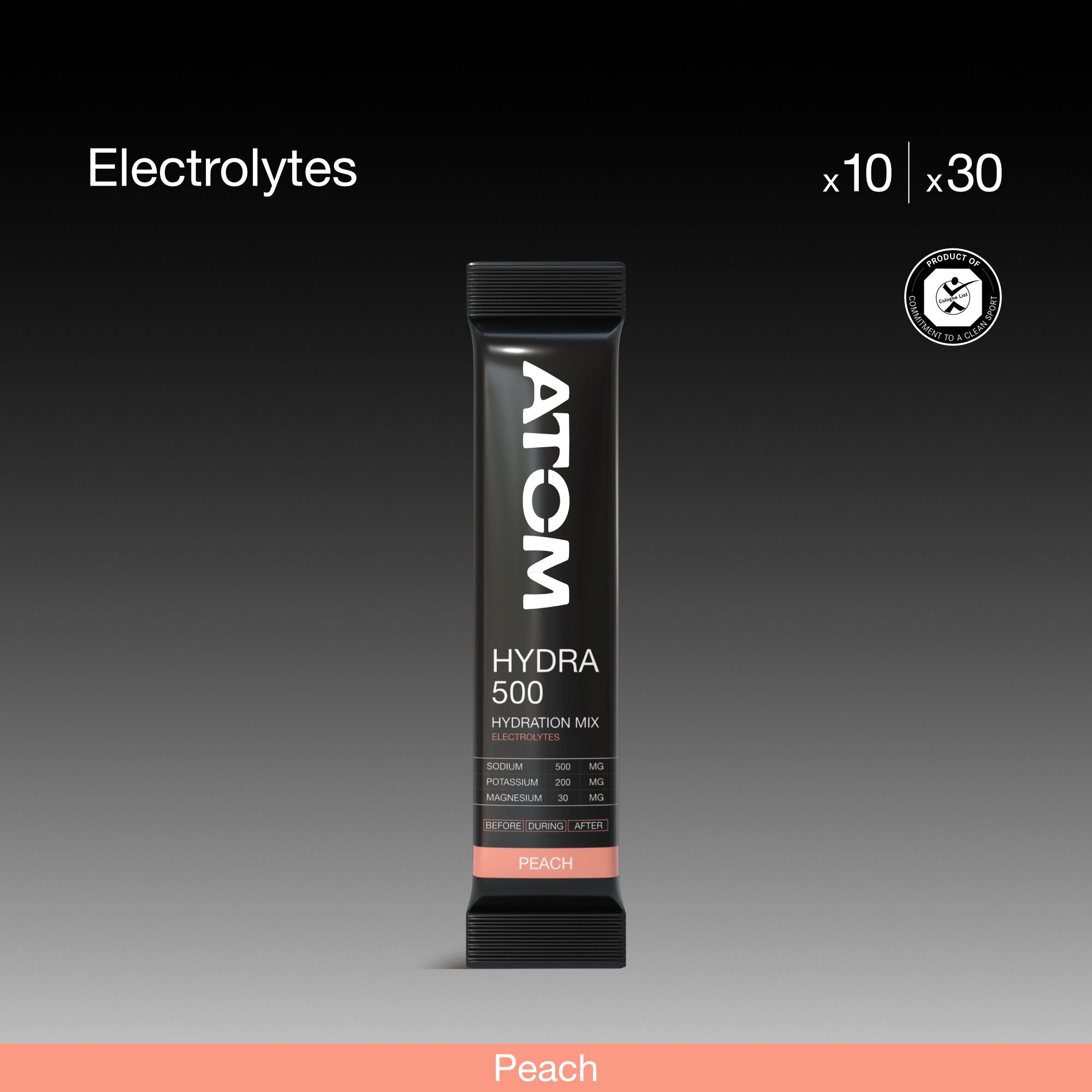
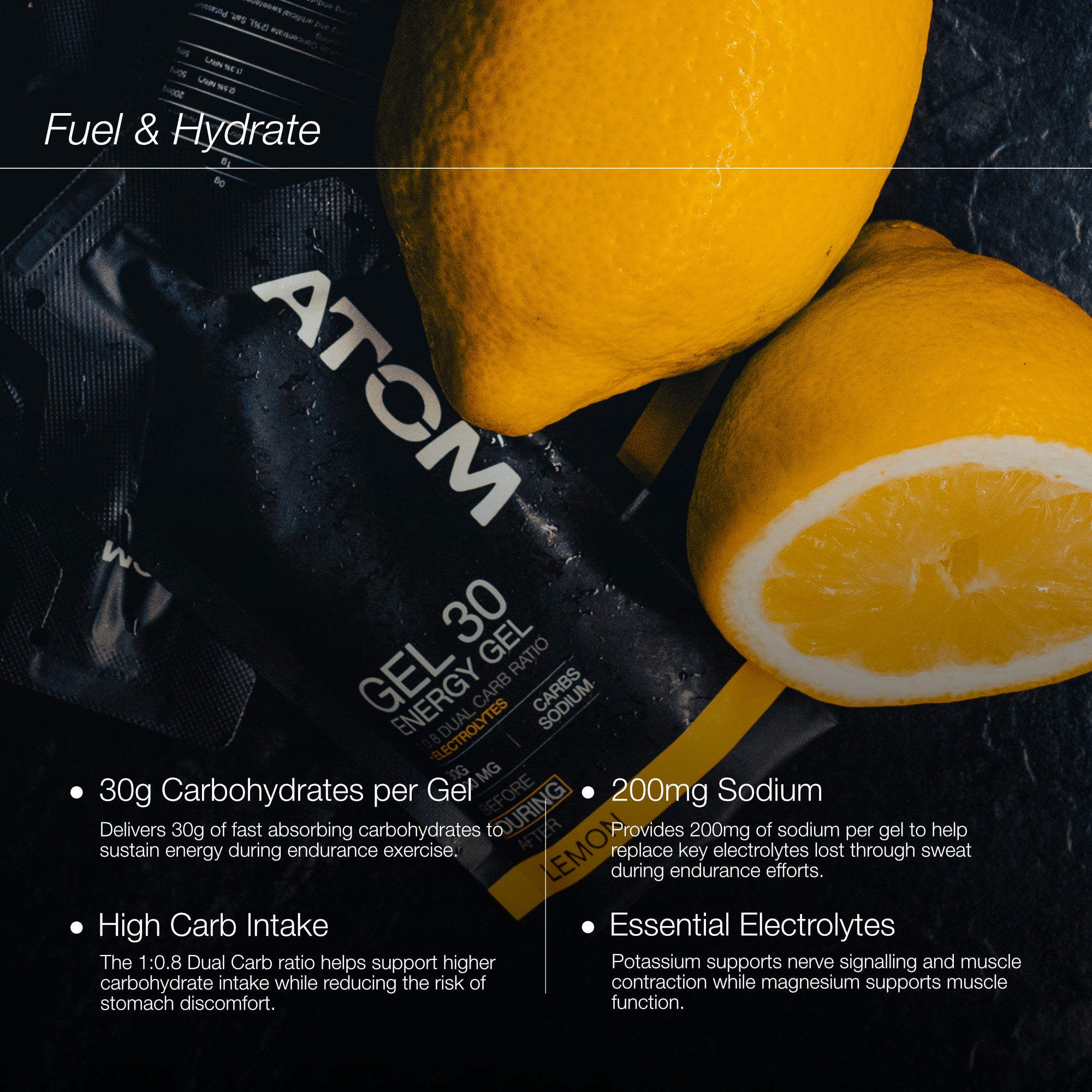
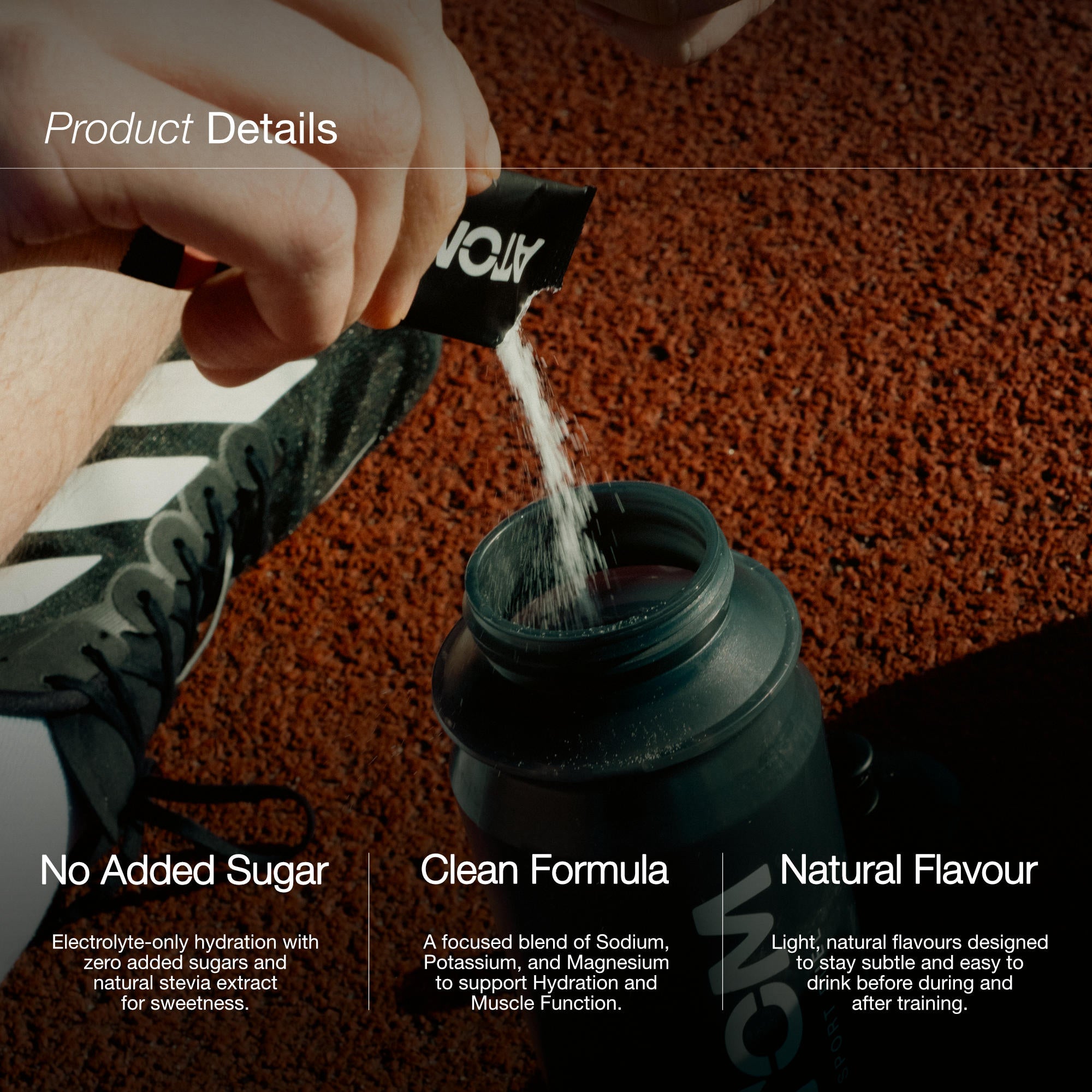
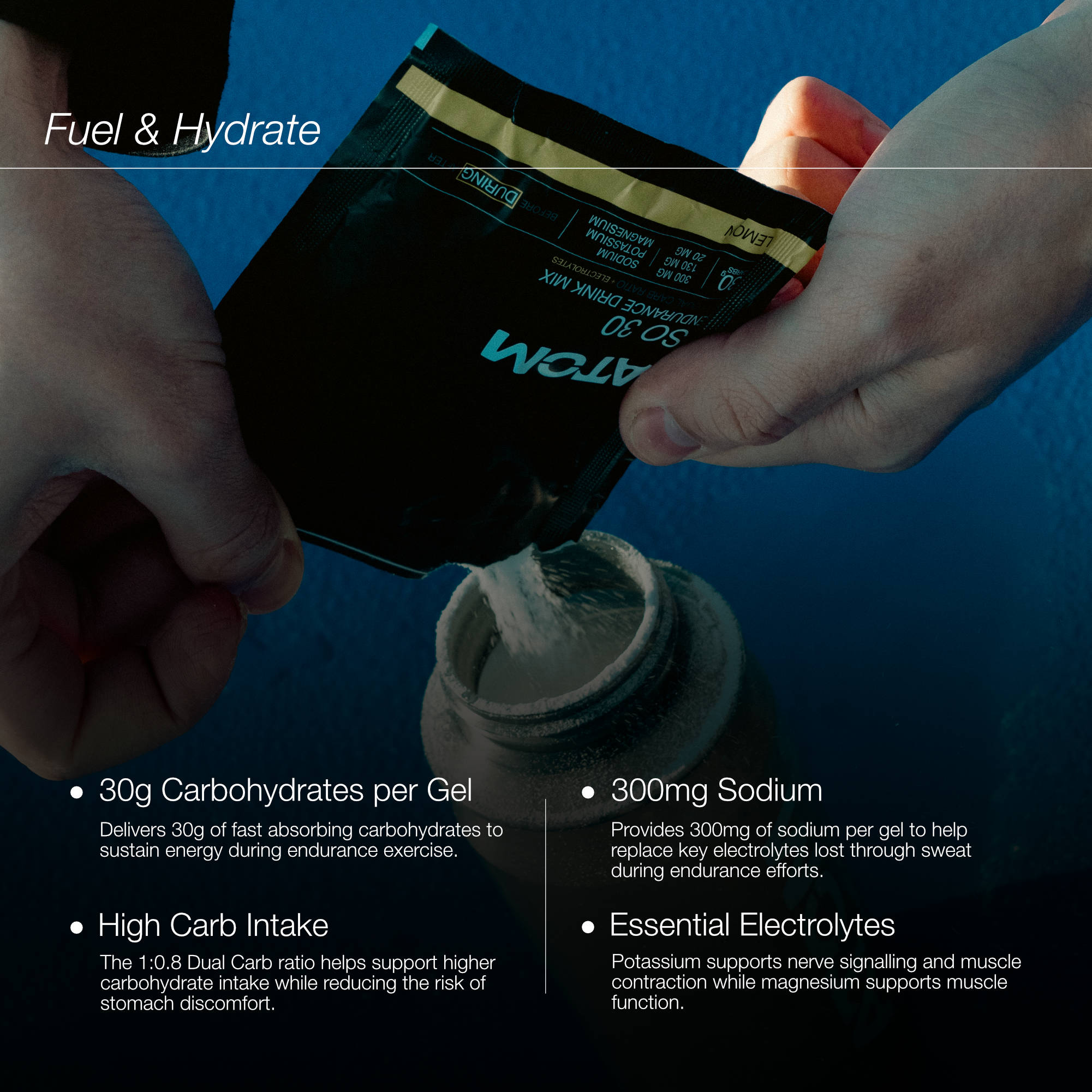
As you keep moving, your body burns through its stored energy and begins relying more on blood sugar and fat. Consuming carbohydrates during your workout is essential in maintaining steady levels of energy and preventing mental fatigue (³)(⁴). This is exactly where ATOM comes into play; we focus on providing you with a best-in-class fuel source to power your activity. Alongside fueling, replacing fluids lost through sweat is critical to prevent overheating and keep your performance from dropping. To support this, we have integrated electrolytes across our entire range, ensuring you fully replenish what you lose as you move (⁵)(⁹).
Post-Exercise Nutrition: Mechanisms of Recovery
After a hard session, your body is ready to repair itself. This is the best time to:
-
Refuel: Replace used energy with carbohydrates (⁷).
-
Repair: Use protein to fix and strengthen muscle fibers (⁶).
-
Rehydrate: Drink fluids to restore blood volume and balance electrolytes (⁵).
Comparison: Sports Nutrition vs. General Nutrition
-
Timing: Precision Matters While general nutrition is about overall health, sports nutrition focuses on exactly when you eat. Meals are carefully timed around your activity to meet the body's changing needs (¹)(⁸).
-
Quantity and Quality: Higher Demands Endurance athletes need significantly more calories, carbohydrates, and fluids than the average person to sustain long periods of effort (²)(⁴).
-
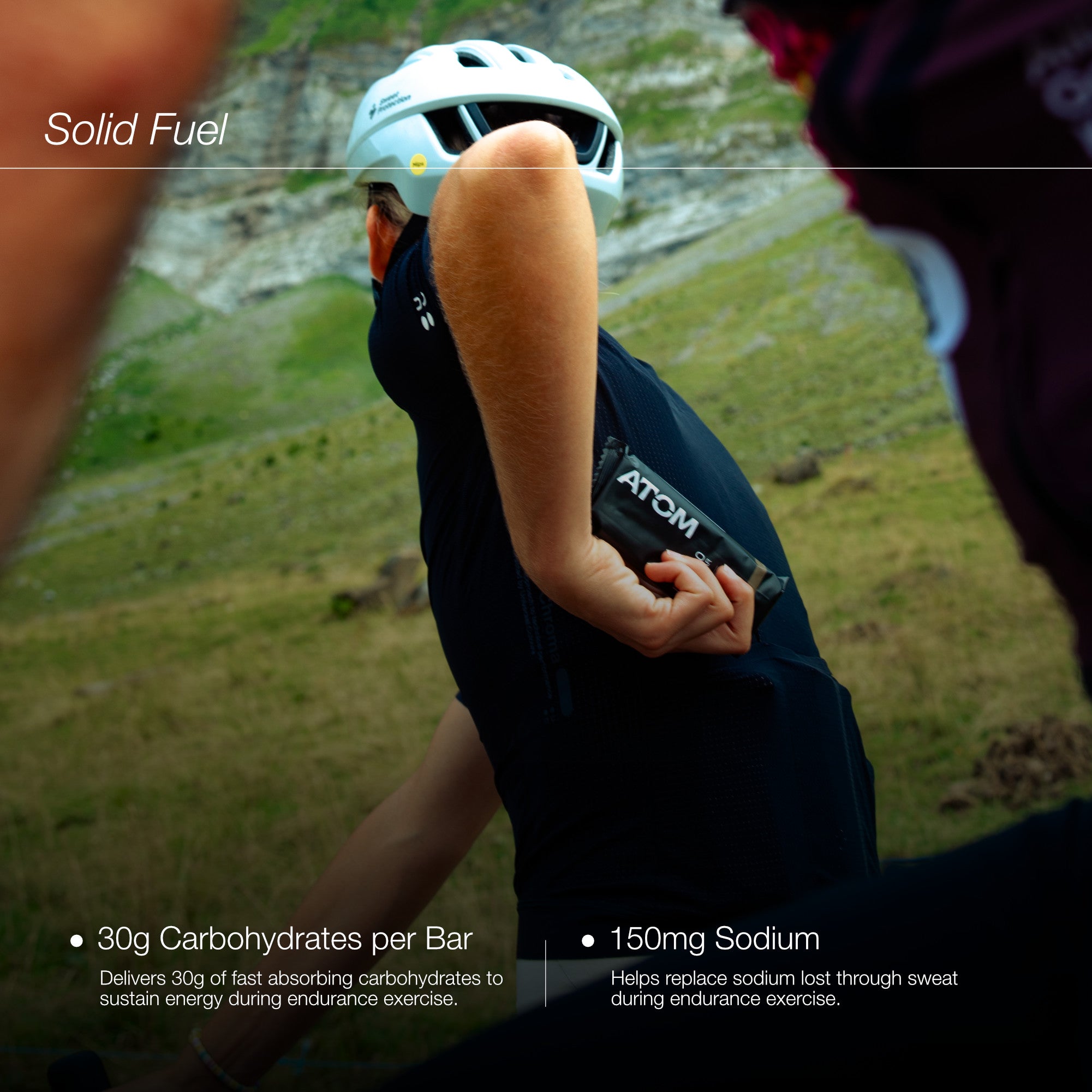
Supplementation: Strategic Use While whole foods are great for daily life, athletes use targeted sports products like those developed by ATOM when solid food is no longer fitting during a race (⁹).
Conclusion
Sports nutrition is the foundation of endurance. By planning your fuel before, during, and after exercise, you can maintain your energy and recover faster. At ATOM, we believe everyday athletes deserve the same high-level support as the pros. We bridge that gap by providing advanced, easy-to-use solutions that help you build better habits and reach your full potential.
References
-
Thomas, D. T., Erdman, K. A., & Burke, L. M. (2016). Position of the Academy of Nutrition and Dietetics, Dietitians of Canada, and the American College of Sports Medicine: Nutrition and Athletic Performance. Journal of the Academy of Nutrition and Dietetics, 116(3), 501-528. https://doi
-
Burke, L. M., & Hawley, J. A. (2018). Swifter, higher, stronger: What’s on the menu? Science, 362(6416), 781-787. https://www.science.org/doi/10.1126/science.aau
-
Jeukendrup, A. E. (2014). A Step Towards Personalized Sports Nutrition: Carbohydrate Intake During Exercise. Sports Medicine, 44(Suppl 1), S25–S33. https://doi.org/10.1007/s40279-014-0158-7
-
Cermak, N. M., & van Loon, L. J. (2013). The use of carbohydrates during exercise as an ergogenic aid. Sports Medicine, 43(11), 1139-1155. https://doi.org/10.100
-
Casa, D. J., et al. (2000). National Athletic Trainers’ Association Position Statement: Fluid Replacement for Athletes. Journal of Athletic Training, 35(2), 212–224. https://www.ncbi.nlm.nih
-
Phillips, S. M., & Van Loon, L. J. (2011). Dietary protein for athletes: From requirements to metabolic advantage. Applied Physiology, Nutrition, and Metabolism, 36(5), 647-654. https://doi.org/10.1139/h11
-
Maughan, R. J., & Burke, L. M. (2012). Practical nutritional recommendations for the athlete. In Nutrition in Sport (pp. 709-726). International Olympic Committee. https://doi.org/10
-
Kerksick, C. M., et al. (2017). International Society of Sports Nutrition position stand: Nutrient timing. Journal of the International Society of Sports Nutrition, 14(1), 33. https://jissn.biomedcentral.com/articles/10.1186/s12970-017-0189-4
-
Academy of Nutrition and Dietetics. (2019). Nutrition and hydration tips for endurance athletes. https://www.eatright.org/fitness/sports-and-performance/endurance-activity/nutrition-and-hydration-t

Related Products