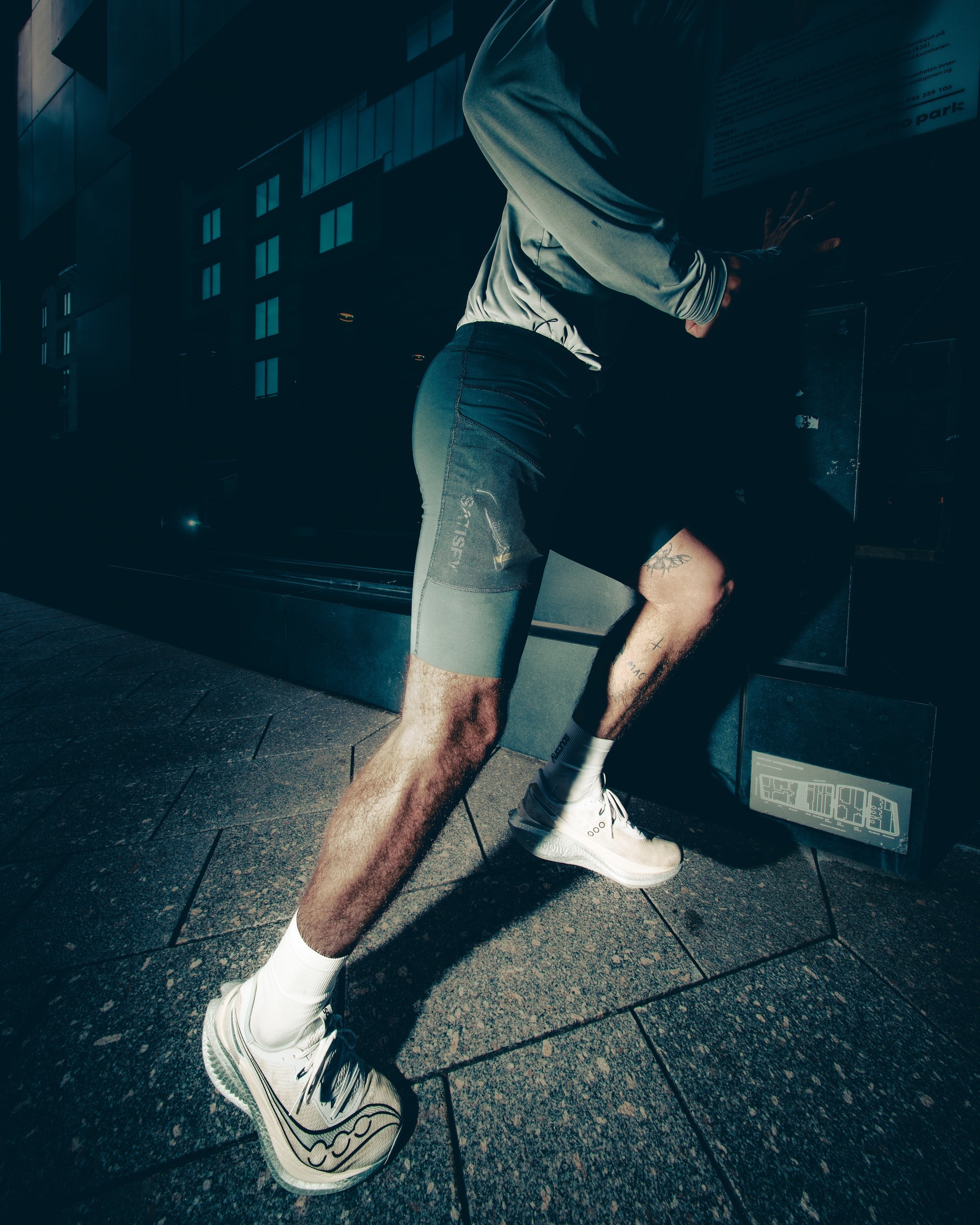
Race-Day Muscle Cramps: Causes, Prevention, and Recovery Tips
Muscle cramps represent a significant performance barrier for any performance-driven athlete pushing their physical limits. Whether triggered mid-effort during a steep climb or immediately following the finish line, these painful, involuntary contractions can undermine months of dedicated preparation in an instant (²). By understanding the physiological mechanisms behind Exercise-Associated Muscle Cramps (EAMC), athletes can implement evidence-based strategies to protect their performance and maintain their competitive edge.
What Are Exercise-Associated Muscle Cramps?
In sports, EAMC are involuntary, painful "locks" in the skeletal muscles used during physical activity (²). Unlike other types of cramps, these specifically target the muscles under active workload, most commonly the quadriceps and calves in cyclists and the calves and hamstrings in runners.
The Primary Drivers of Cramping
Modern sports science identifies two primary drivers that often work together to cause a cramp.
1. Neuromuscular Fatigue
Current research points toward "exhausted nerves" as a primary cause (³). When a muscle becomes overly fatigued, the balance of spinal reflexes is disrupted. Specifically, the muscle produces increased signals to contract while losing the signals that tell it to relax (³). This causes the muscle to stay in a contracted state and is especially common when muscles are in a "shortened" position, such as the calf during a run or the quadriceps during a high-intensity climb (⁴).
2. The Nutrition and Electrolyte Link
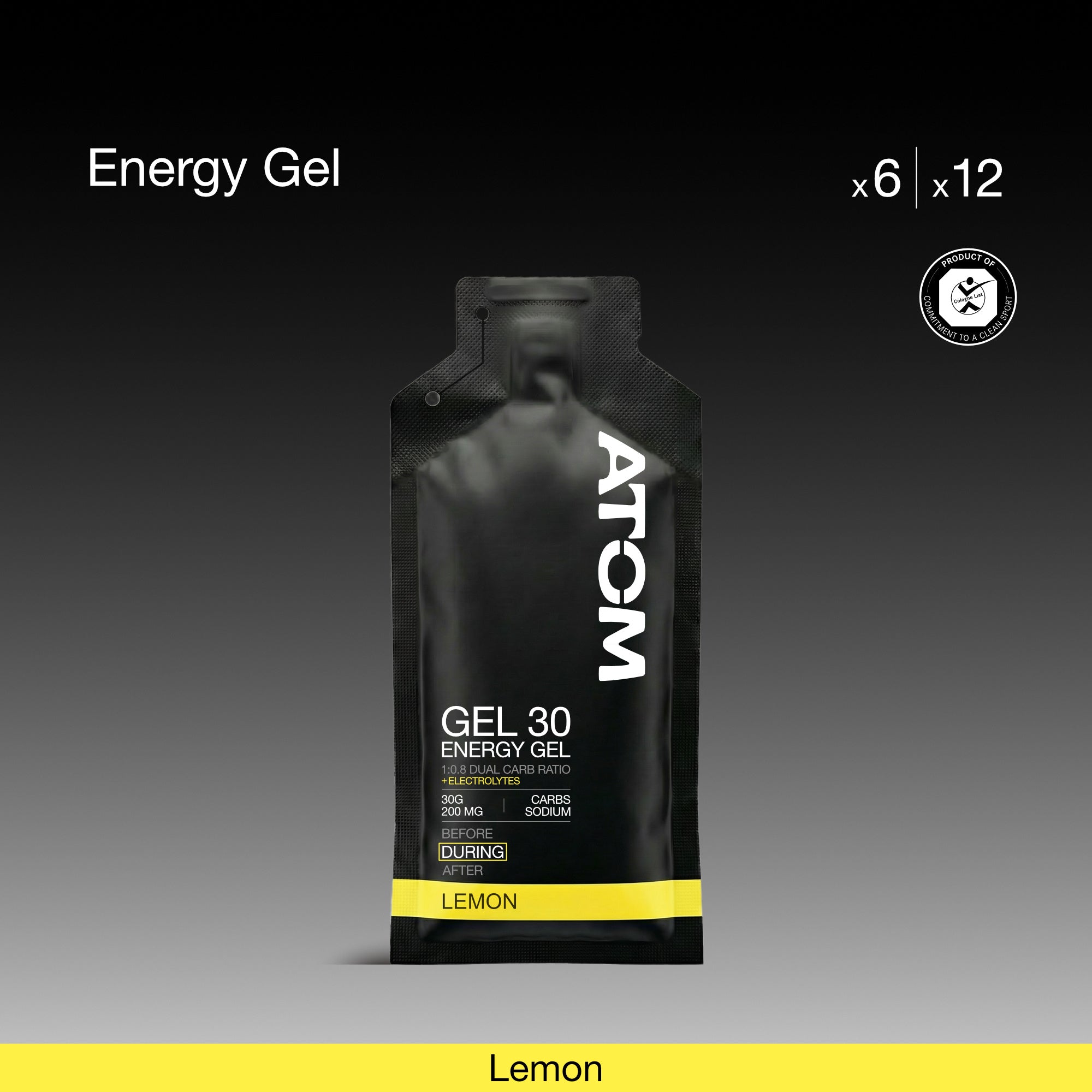
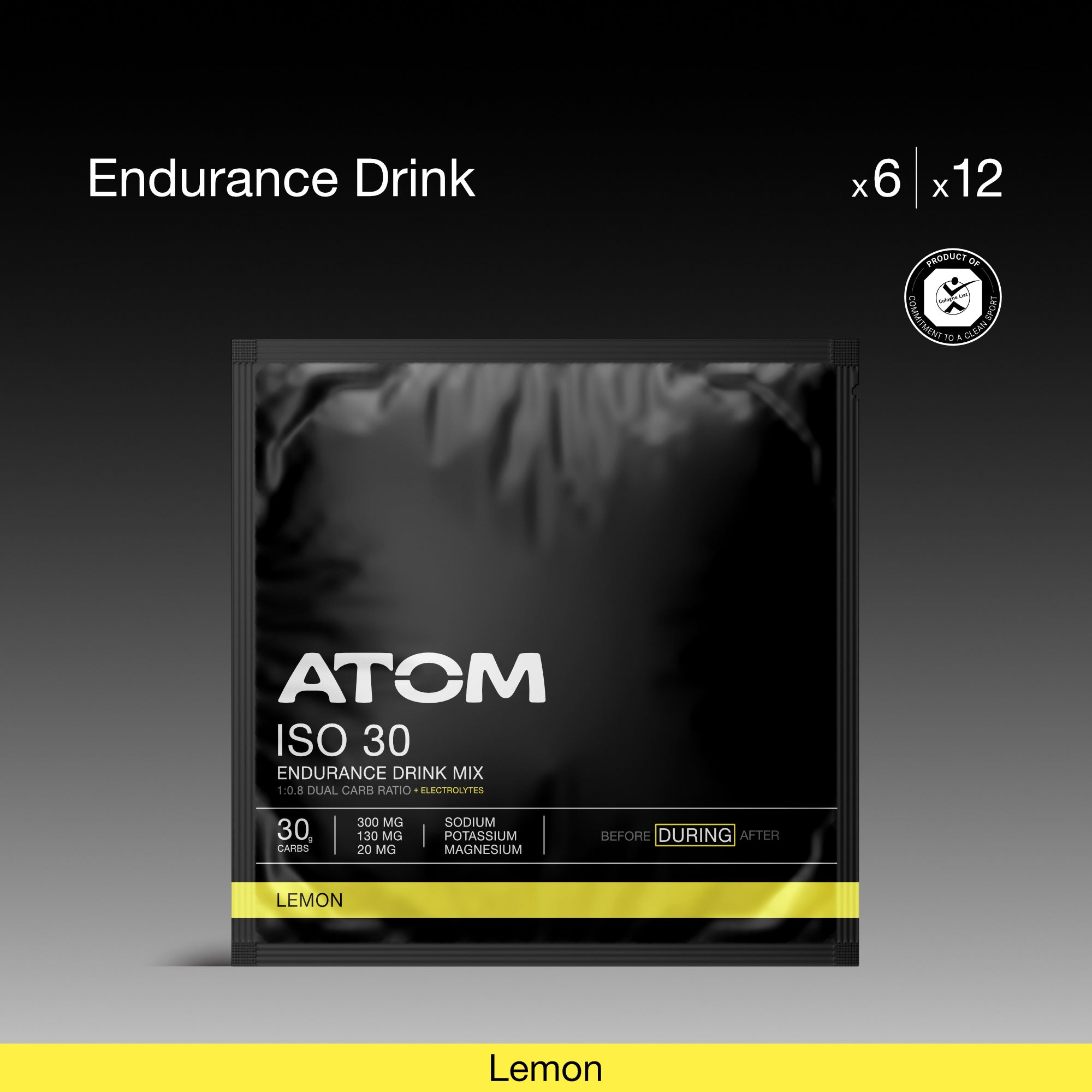
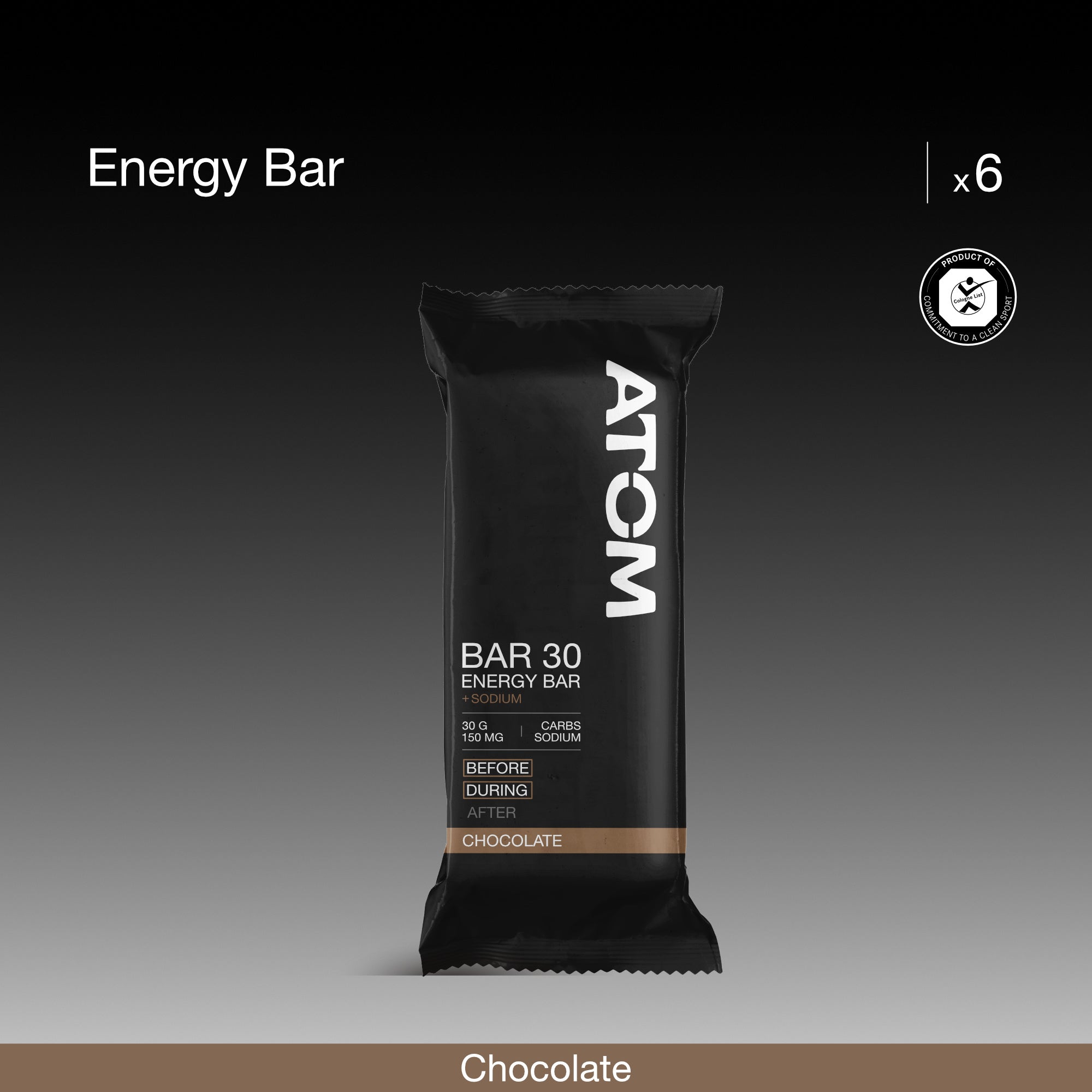
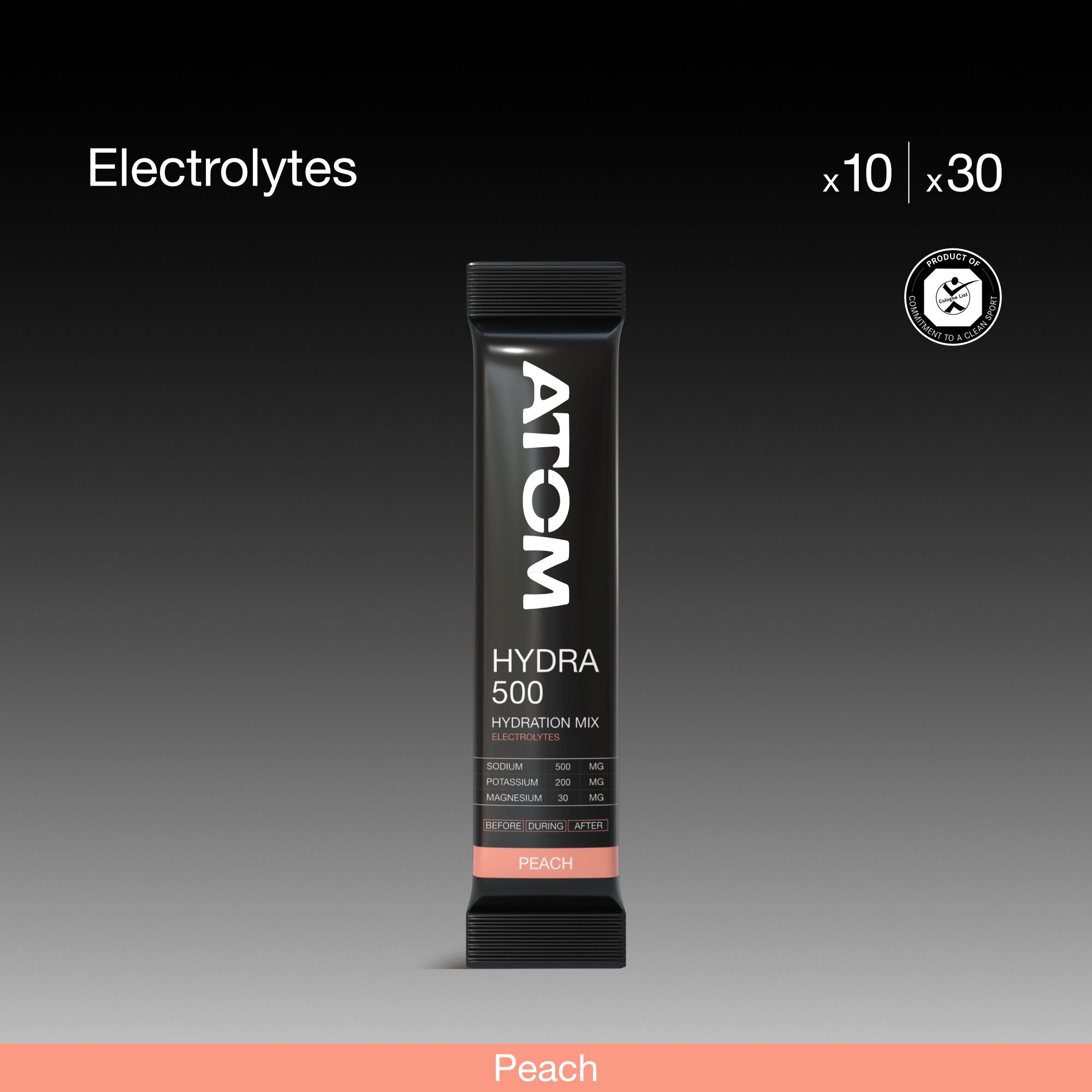
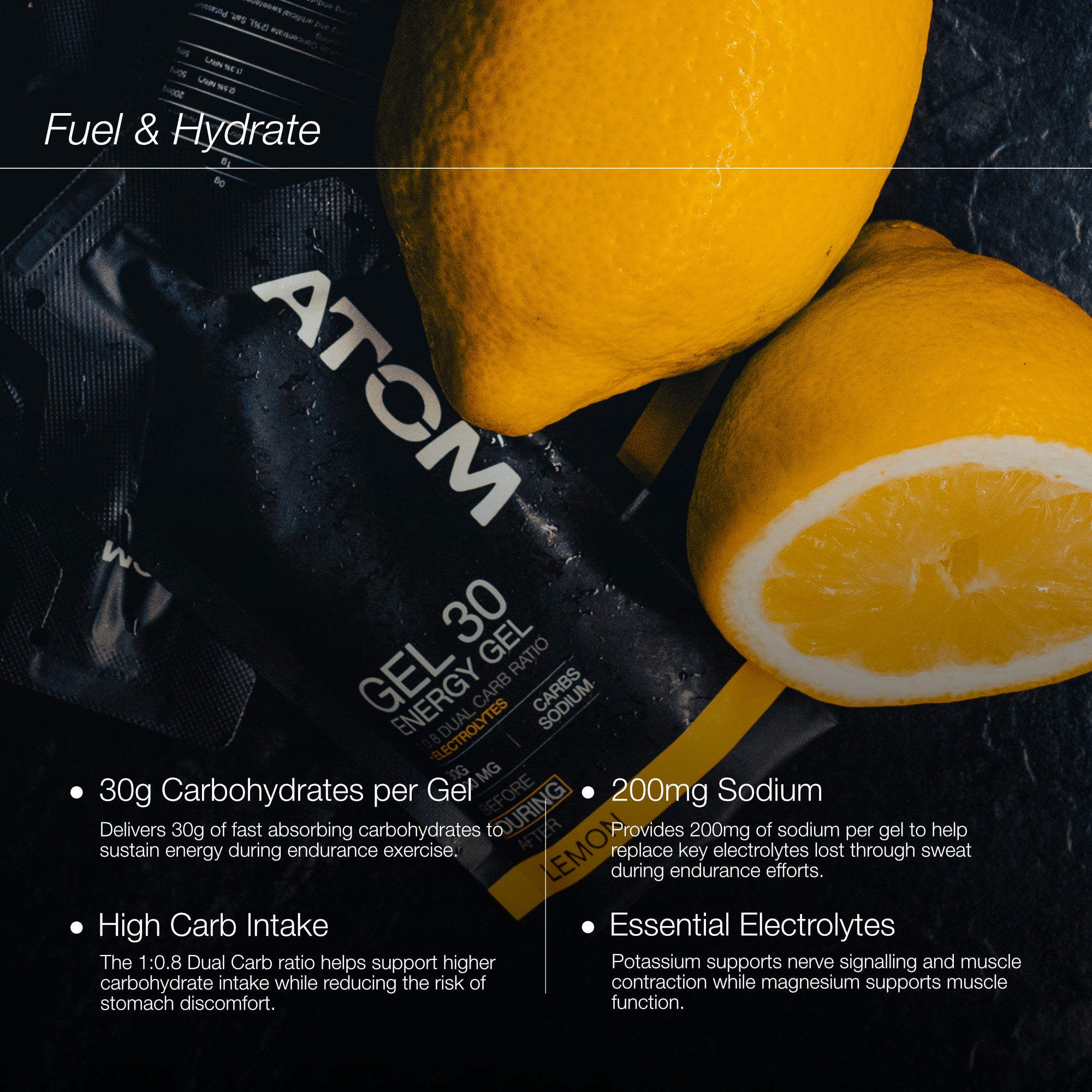
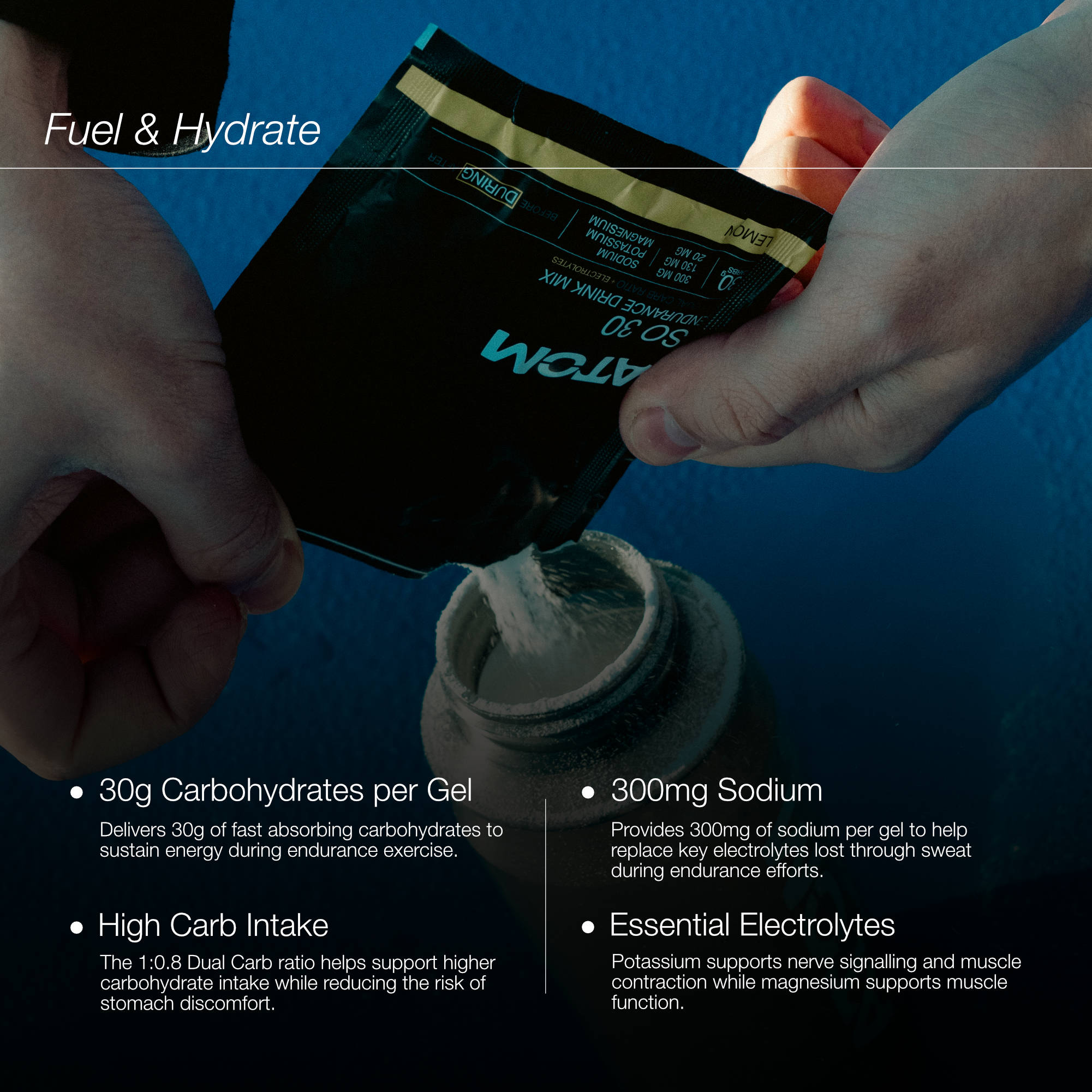
Nutrition directly impacts cramp prevention through energy availability. Consuming adequate carbohydrates and sodium is a critical preventive measure because carbohydrates provide the necessary fuel for the nervous system (²). By maintaining stable energy levels, athletes can delay the physical fatigue that causes nerves to misfire. These findings are the core of our product design; by combining carbohydrates with electrolytes, we help athletes maintain nerve stability and energy to reach the finish line in peak condition.
Managing a Cramp on Race Day
If a cramp occurs, the most reliable and research-supported immediate response is gentle, passive static stretching of the affected muscle (²).
For cyclists experiencing quadriceps cramps, briefly stopping to fully extend the leg can provide relief. For runners with calf cramps, gently pulling the toes toward the shin is effective. While stretching relieves the pain and relaxes the contraction, it may not immediately stop the underlying neural signals responsible for the cramp (⁸).
Long-Term Prevention Strategies
Effective prevention requires a combination of physical conditioning and a smart nutrition plan (²):
-
Sport-Specific Conditioning: While general weightlifting may not reduce cramp frequency, training that improves your neuromuscular coordination and delays fatigue, such as varied-intensity workouts, can help (²).
-
Pacing and Volume: One of the strongest predictors of cramping is racing at a speed or intensity that exceeds your preparation (⁵). Gradually building volume and practicing your race pace is essential.
-
Fueling Strategy: Success depends on individualized nutrition that provides enough carbohydrates and sodium to match the sweat rate and energy demands of the event (²),(⁵). Here we recommend using our ATOM Fuel plan to help you elaborate a nutrition plan adapted to your needs.
Conclusion
Managing cramps requires acknowledging their complex, multifactorial nature. Scientific evidence supports neuromuscular fatigue as the central mechanism, while emphasizing that hydration and electrolyte availability are critical contributing factors (²),(³). To minimize risk, athletes should prioritize conditioning that prepares the nervous system for fatigue, implement a race-day nutrition plan rich in carbohydrates and sodium, and adopt a pacing strategy aligned with their actual fitness level.(³).
References
-
Kantarowski, P. G., Hiller, W. D., Garrett, W. E., Douglas, P. S., Smith, R., & O’Toole, M. (1990). Cramping studies in 2600 endurance athletes. Medicine & Science in Sports & Exercise, 22(Suppl 2), S104. https://journals.lww.com/acsm-msse/citation/1990/04000/620_cramping_studies_in_2600_endurance_athletes.619.aspx
-
Miller, K. C., McDermott, B. P., Yeargin, S. W., Fiol, A., & Schwellnus, M. P. (2022). An evidence-based review of the pathophysiology, treatment, and prevention of exercise-associated muscle cramps. Journal of Athletic Training, 57(1), 5-15. https://doi.org/10.4085/1062-6050-0696.20
-
Schwellnus, M. P., Derman, E. W., & Noakes, T. D. (1997). Aetiology of skeletal muscle ‘cramps’ during exercise: A novel hypothesis. Journal of Sports Sciences, 15(3), 277-285. https://doi.org/10.1080/026404197367281
-
Nelson, N. L., & Churilla, J. R. (2016). A narrative review of exercise-associated muscle cramps: Factors that contribute to neuromuscular fatigue and management implications. Muscle & Nerve, 54(2), 177-185. https://doi.org/10.1002/mus.25176
-
Schwellnus, M. P., Drew, N., & Collins, M. (2011). Increased running speed and previous cramps rather than dehydration or serum sodium changes predict exercise-associated muscle cramping: A prospective cohort study in 210 Ironman triathletes. British Journal of Sports Medicine, 45(8), 650-656. https://doi.org/10.1136/bjsm.2010.078535
-
Miller, K. C., Mack, G. W., Knight, K. L., Hopkins, J. T., Draper, D. O., Fields, P. J., & Hunter, I. (2010). Reflex inhibition of electrically induced muscle cramps in hypohydrated humans. Medicine and Science in Sports and Exercise, 42(5), 953-961. https://doi.org/10.1249/MSS.0b013e3181c0647e
-
Swash, M., Czesnik, D., & de Carvalho, M. (2019). Muscular cramp: causes and management. European Journal of Neurology, 26(2), 214-221. https://doi.org/10.1111/ene.13799
-
Miller, K. C., Stone, M. S., Huxel, K. C., & Edwards, J. E. (2010). Exercise-associated muscle cramps: Causes, treatment, and prevention. Sports Health, 2(4), 279-283. https://doi.org/10.1177/1941738109357299
Related Products