
What Are Electrolytes? Science-Backed Benefits for Hydration and Performance
Effective hydration involves more than simply replacing fluid volume. During physical activity, the body loses essential electrolytes. These electrically charged ions are the chemical drivers behind muscle contraction, nerve signaling, and fluid regulation (¹).
At ATOM, we integrate these essential minerals across our product ecosystem, from hydration mixes to endurance fuels to ensure physiological stability during prolonged activity. To optimize your strategy, it is vital to understand the specific roles these minerals play.
Core Electrolytes and Physiological Function
The human body relies on a precise balance of minerals to maintain "homeostasis" (internal balance). During exercise, three key electrolytes are prioritized:
-
Sodium: The primary hydrator, it is the most abundant electrolyte lost in sweat and the most critical for performance (²). It regulates blood volume and dictates how much water the body retains.
-
Potassium: Works in tandem with sodium to manage fluid exchange at the cellular level (²). It is essential for maintaining a normal heart rhythm and facilitating nerve signals (³).
-
Magnesium: Supports energy production (ATP) and muscle recovery (²). While sweat losses are lower than sodium, it remains vital for long-term muscle health.
Evidence-Based Hourly Intake Guidelines
Electrolyte requirements are highly individualized, fluctuating based on intensity, duration, and environmental heat stress (⁷). To maintain peak performance, aim for the following targets per hour of active exertion:
-
Fluid Intake: Aim for 400 to 800 ml, adjusted based on your personal sweat rate and gastric comfort (⁷).
-
Sodium (Moderate Conditions): Consume 300 to 600 mg when training in temperate environments or during sessions of moderate intensity (⁷).
-
Sodium (High-Heat Conditions): Increase intake to 600 to 1,000 mg in high-heat environments or if you are a "heavy sweater" (⁷).
How to use Electrolytes?
The ideal medium for electrolyte replacement depends on the duration and metabolic demands of the session:
-
Pre-hydrating with electrolytes; When preparing for a high sweat rate activity, consuming electrolytes prior helps to trigger fluid retention, ensuring you are ready for your session with optimal plasma volume.
-
Sessions < 60 Minutes: Water is generally sufficient, though electrolyte replacement is recommended for "salty sweaters" or high-sweat activities.
-
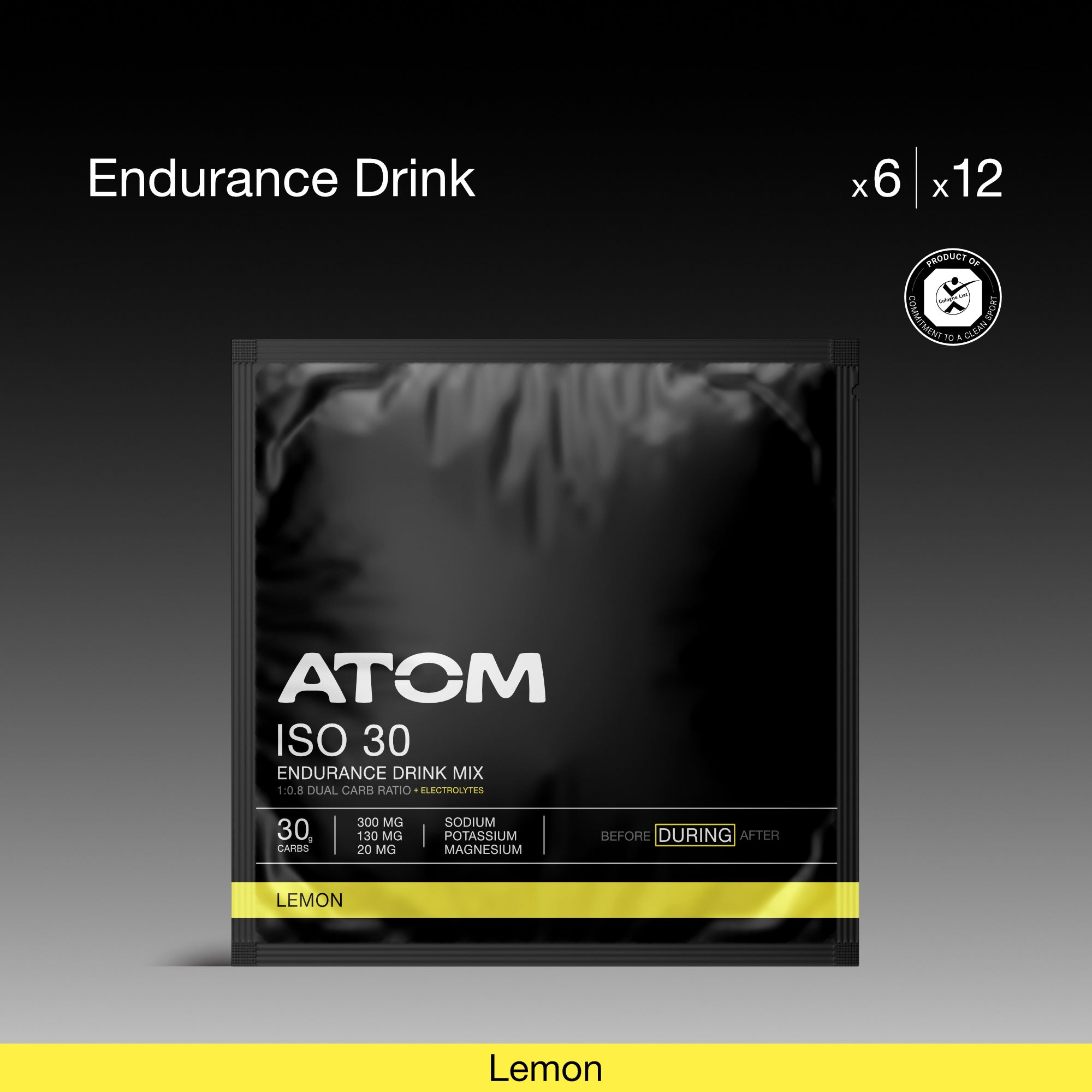
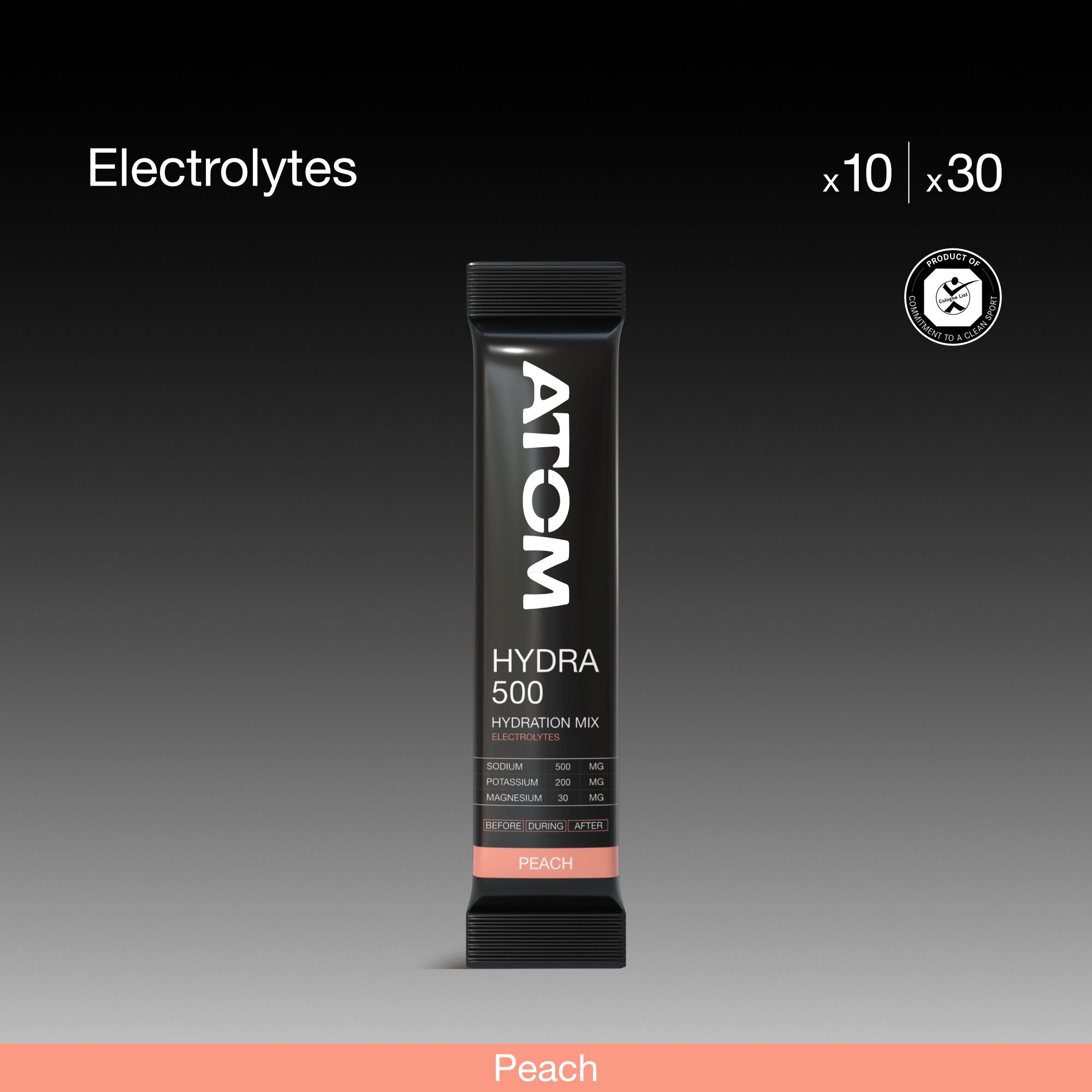
Sessions 60–90 Minutes: Transition to an electrolyte-focused solutions to offset sweat losses and maintain nerve function (⁴). ATOM Hydra 500 for pure electrolyte replenishment or ISO 30 for electrolytes + carbohydrates for fuel.
-
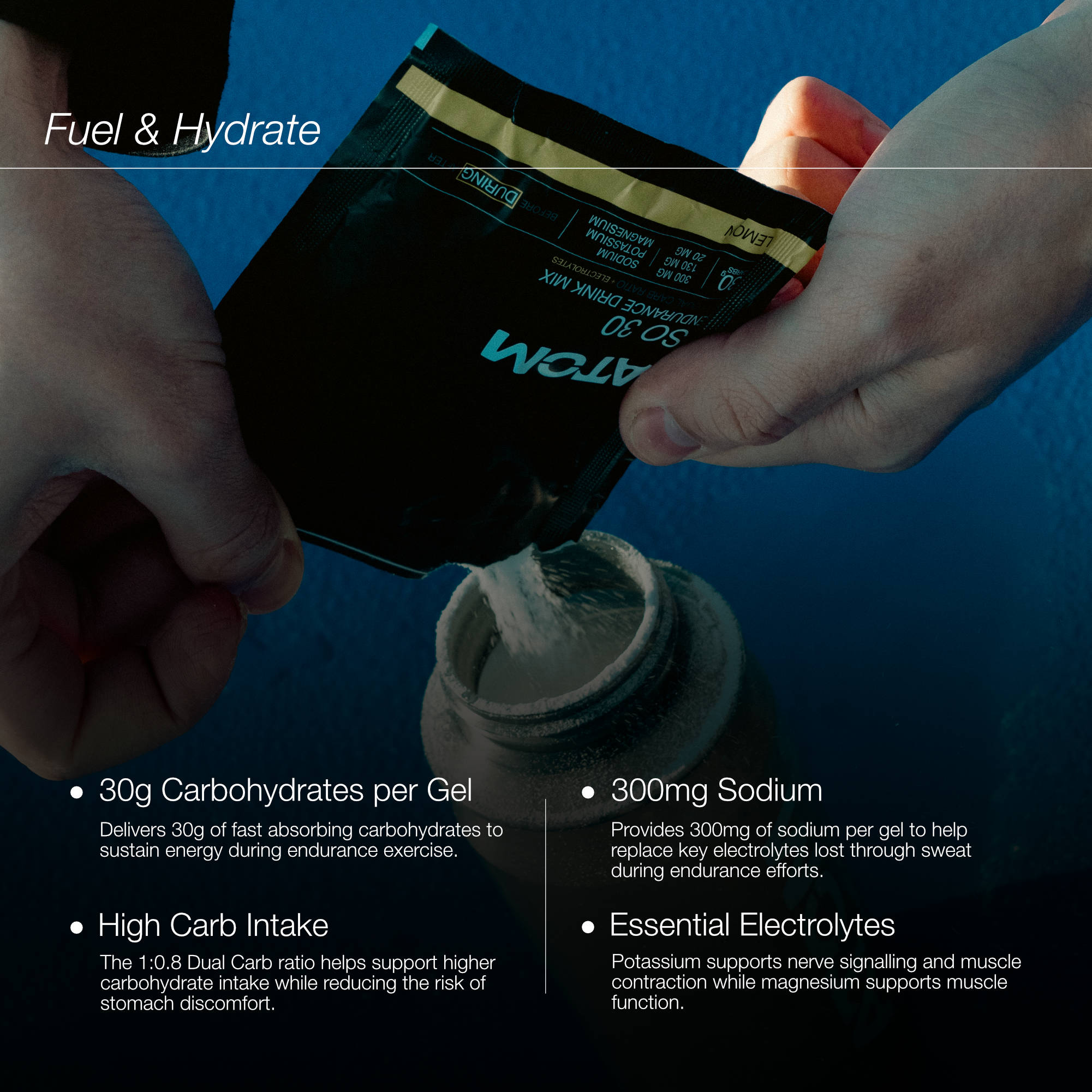
Endurance > 90 Minutes: Utilize an endurance drink mix formula like ATOM ISO 30. The carbohydrates combined with electrolytes will allow for sustained energy output and improved fluid retention.
Integrating Electrolytes into a Fueling Strategy
A comprehensive endurance plan utilizes various delivery methods to meet hourly sodium and energy targets (⁷):
-
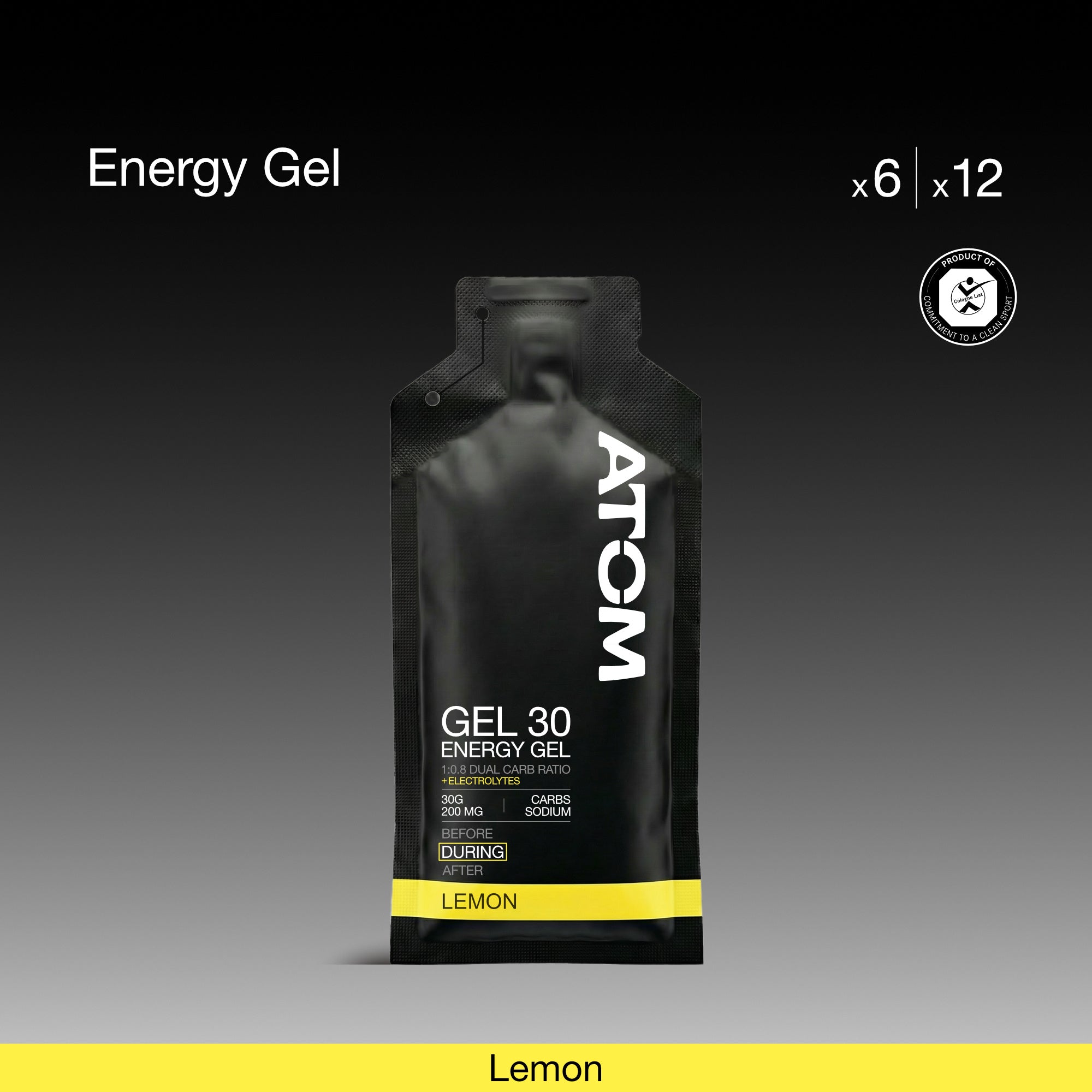
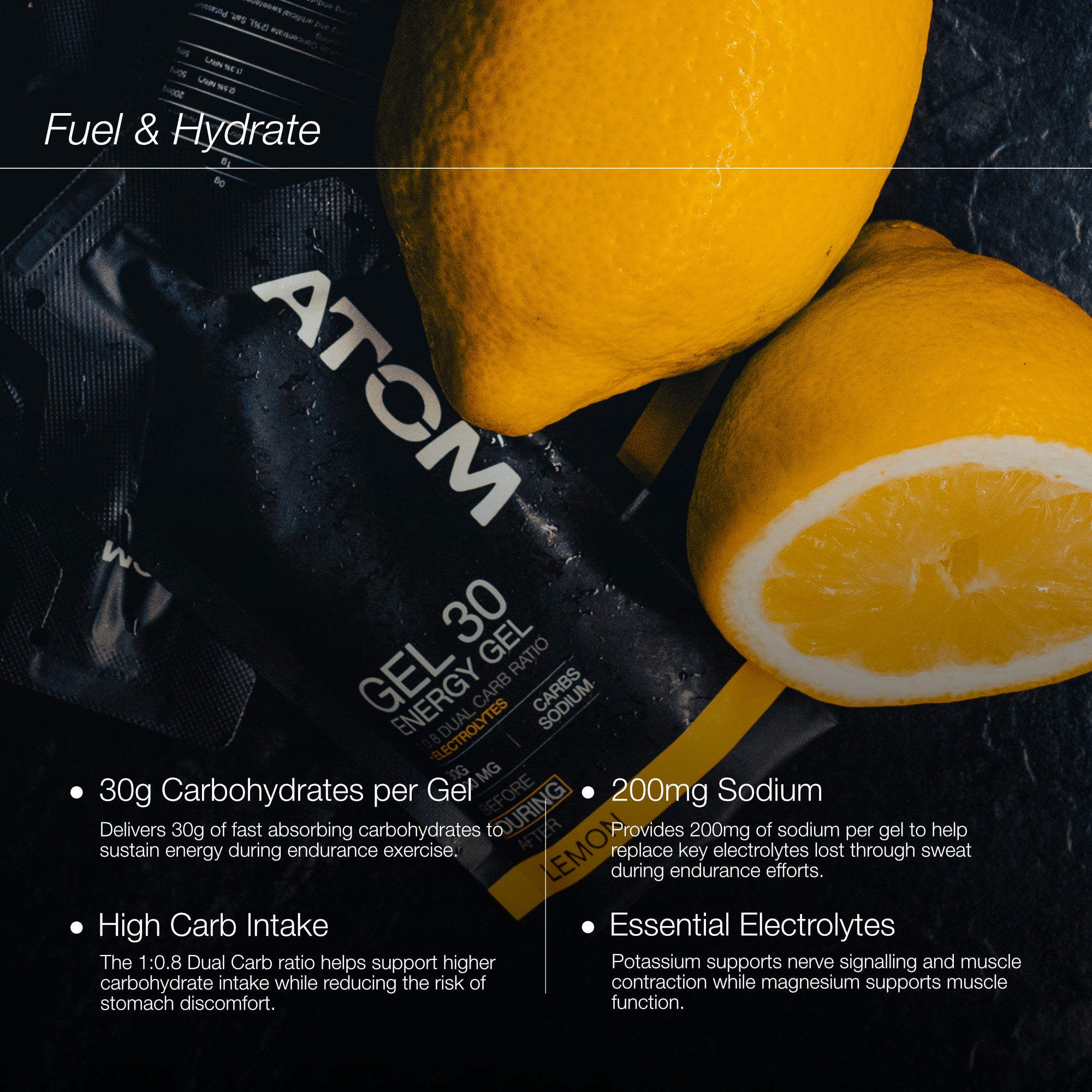
Energy Gels: Contain a concentrated source of carbohydrates and sodium (e.g., ATOM GEL 30) to sustain blood glucose and fluid balance simultaneously (⁵).
-
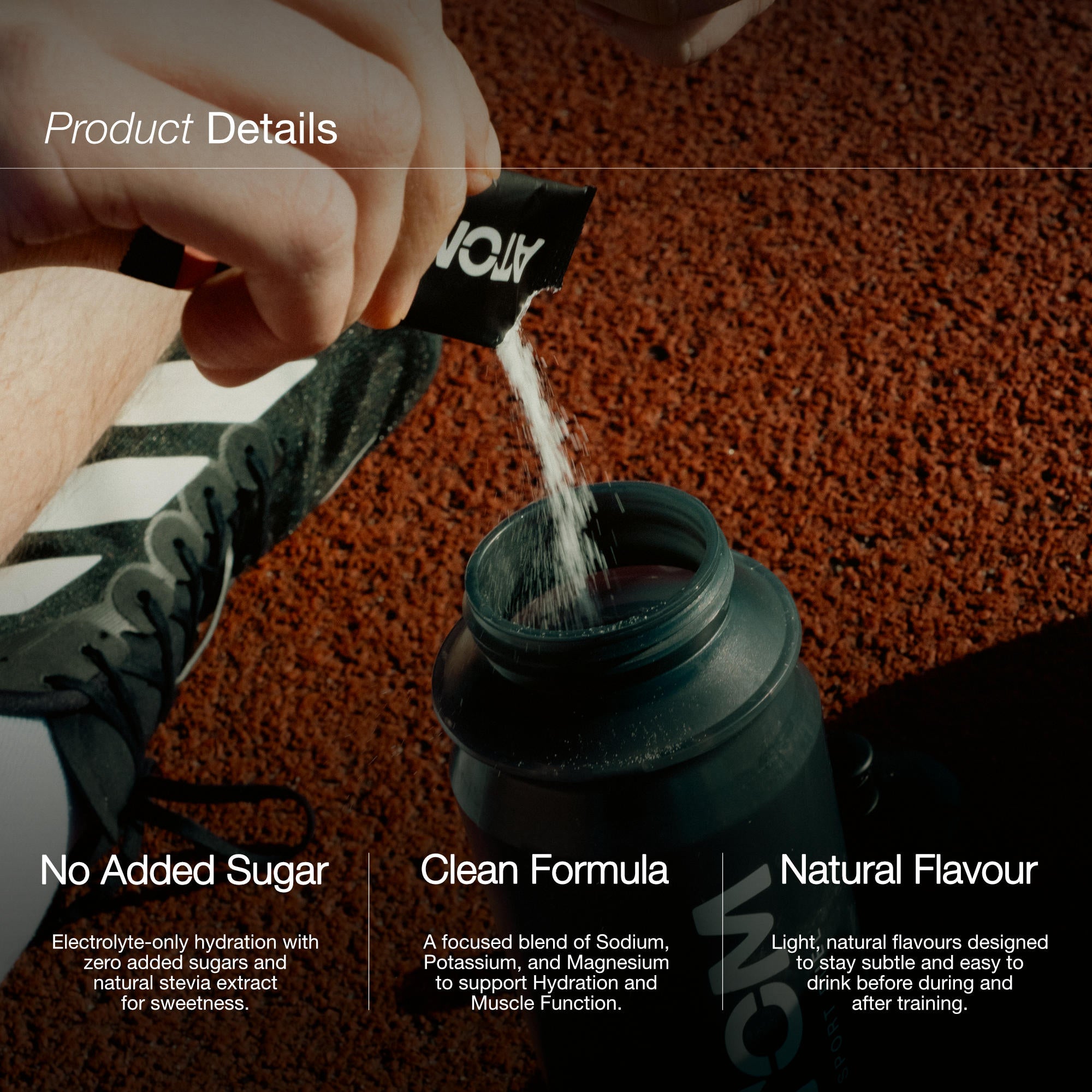
Drink Mixes (with or without carbohydrates): Offer the most efficient way to manage high fluid and electrolyte requirements in hot conditions (⁶).
-
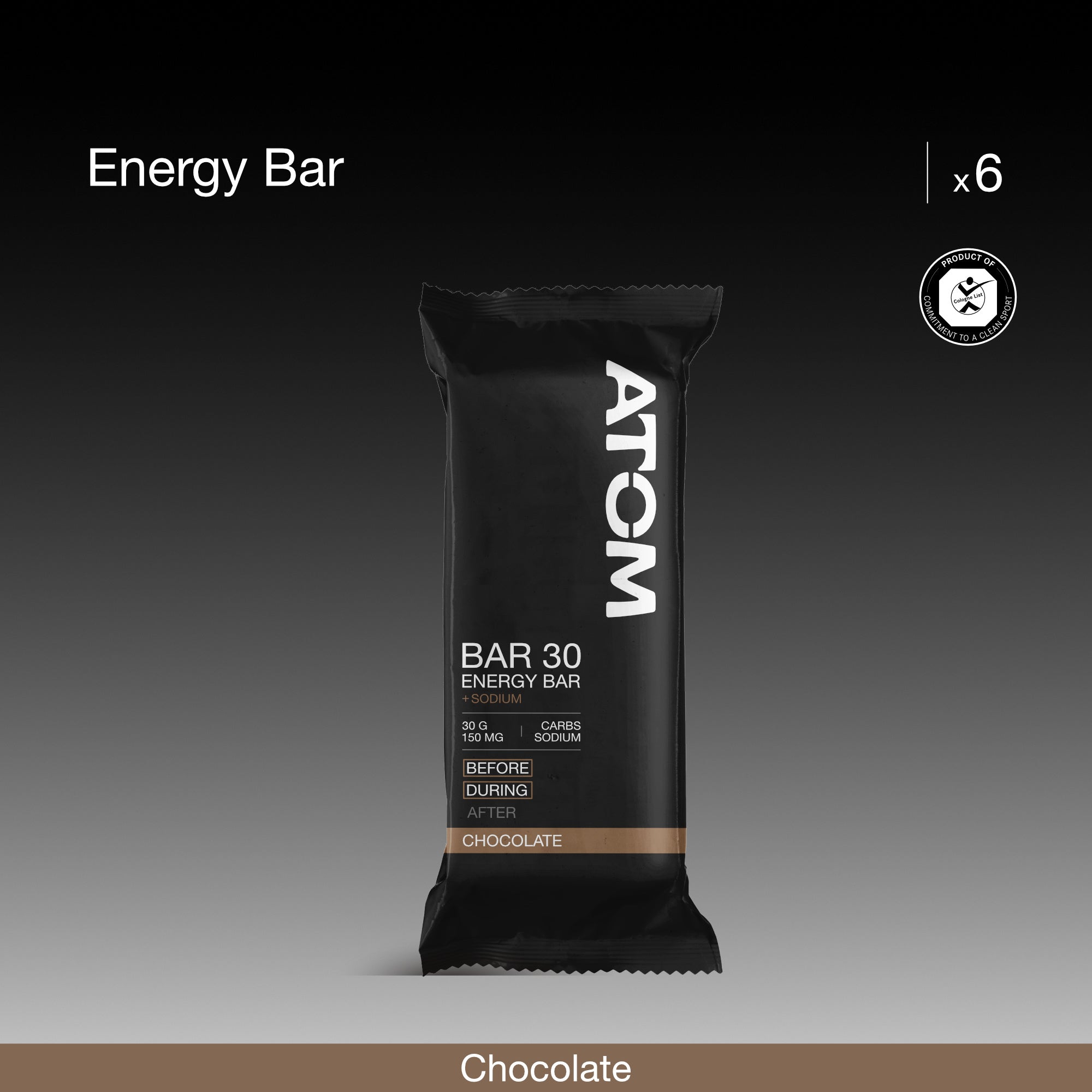
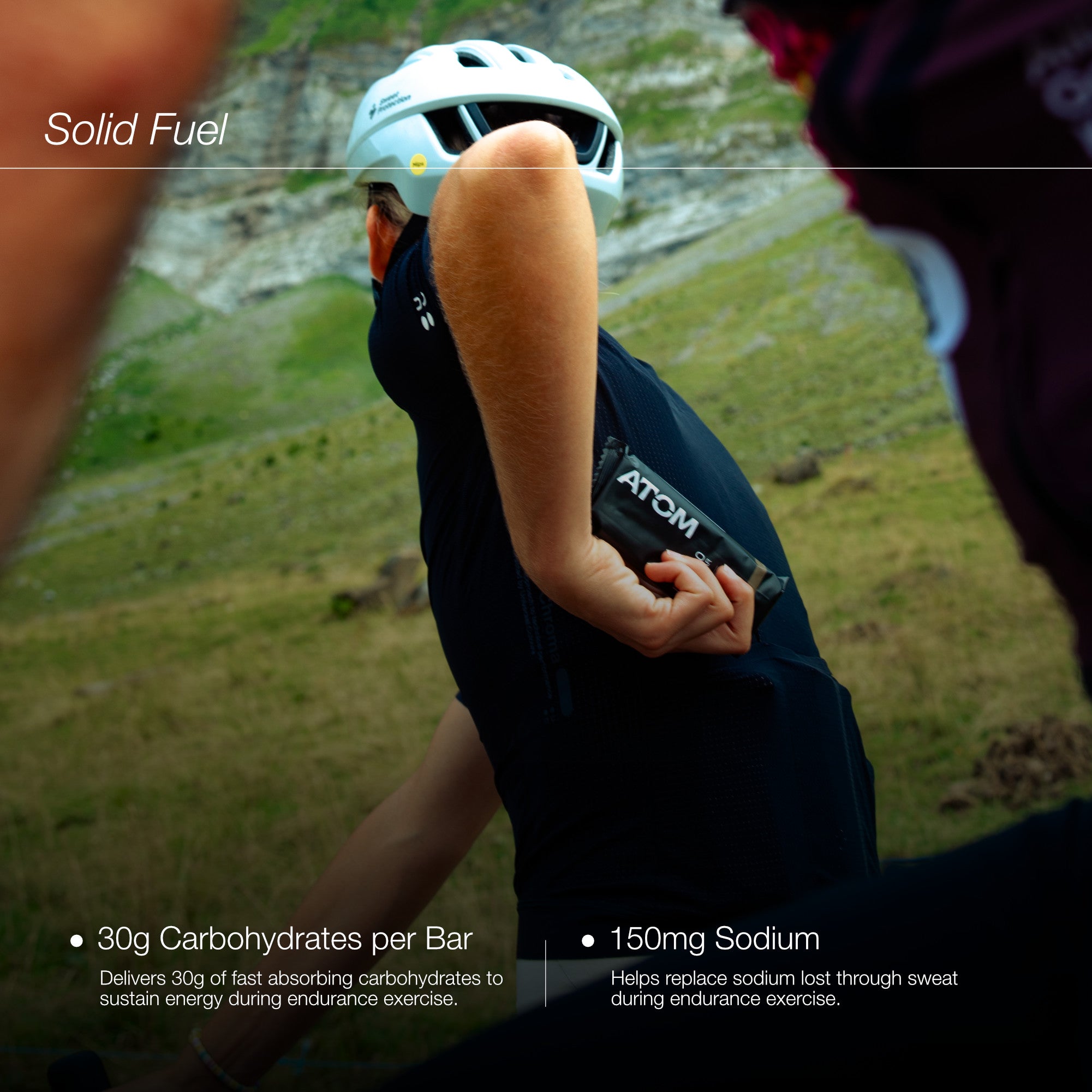
Energy Bars: Best suited for lower-intensity phases or ultra-endurance events where solid food is preferred to manage hunger and provide a steady release of nutrients.
Conclusion
Optimal performance depends on the body's ability to maintain its water and mineral balance (¹). While water provides the foundation for hydration, sodium is the essential element that allows your body to use it effectively (²). By tailoring your electrolyte intake to your sweat rate and the duration of your effort, you prevent premature fatigue and sustain your performance level (⁷).
References
(¹) Shrimanker, I., & Bhattarai, S. (2023). Electrolytes. StatPearls. https://www.ncbi.nlm.nih.gov/books/NBK541123/
(²) Cleveland Clinic. (2025). Electrolytes: Types, purpose, and normal levels. https://my.clevelandclinic.org/health/diagnostics/21790-electrolytes
(³) NIH. (2024). Potassium - Health Professional Fact Sheet. https://ods.od.nih.gov/factsheets/Potassium-HealthProfessional/
(⁴) Gundersen Health System. (2025). Water vs electrolyte drinks. https://www.gundersenhealth.org/health-wellness/eat-move/water-or-electrolyte-drinks-whats-better-for-athletes
(⁵) Kim, J. H., et al. (2021). Effects of electrolyte supplements on body water homeostasis. Applied Sciences. https://www.mdpi.com/2076-3417/11/19/9093
(⁶) Judge, L. W., et al. (2021). Hydration to maximize performance and recovery. Journal of Human Kinetics. https://pmc.ncbi.nlm.nih.gov/articles/PMC8336541/
(⁷) Sawka, M. N., et al. (2007). Exercise and fluid replacement. Medicine & Science in Sports & Exercise. https://pubmed.ncbi.nlm.nih.gov/17277604/
Related Products